Outdoor
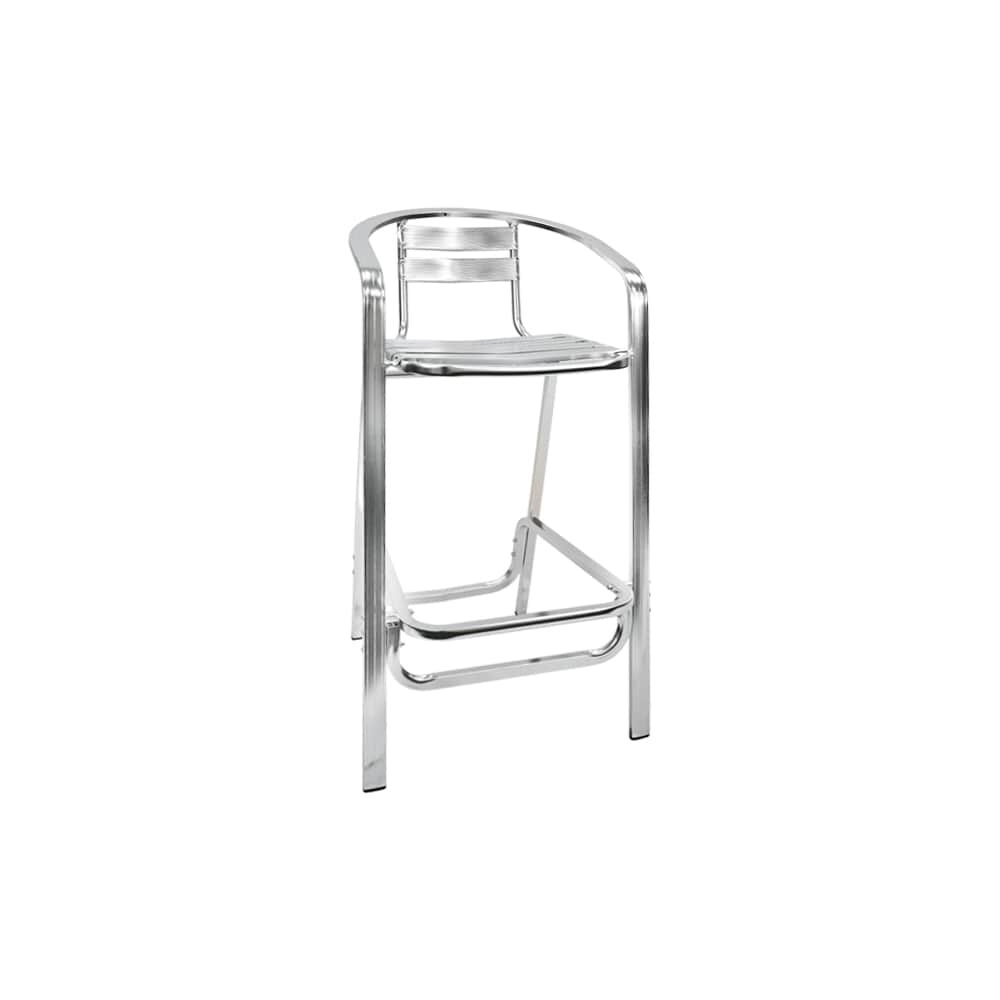
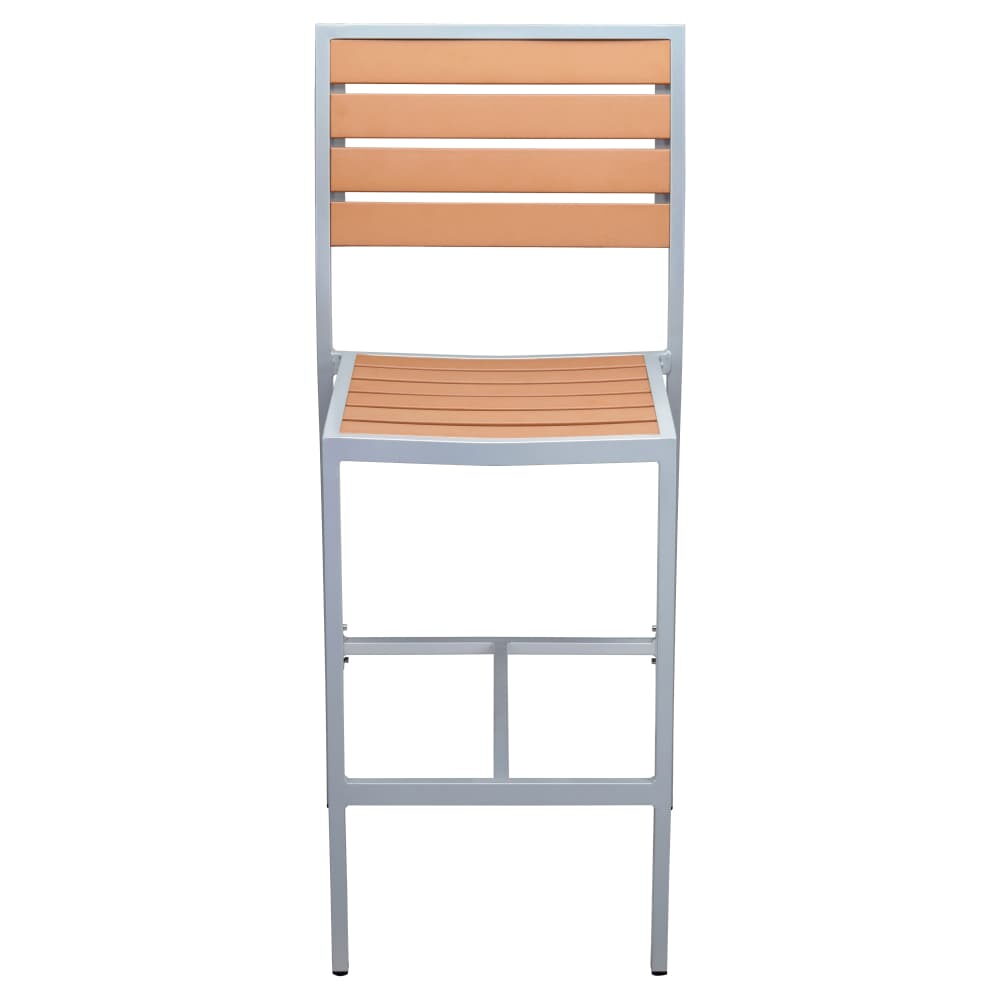
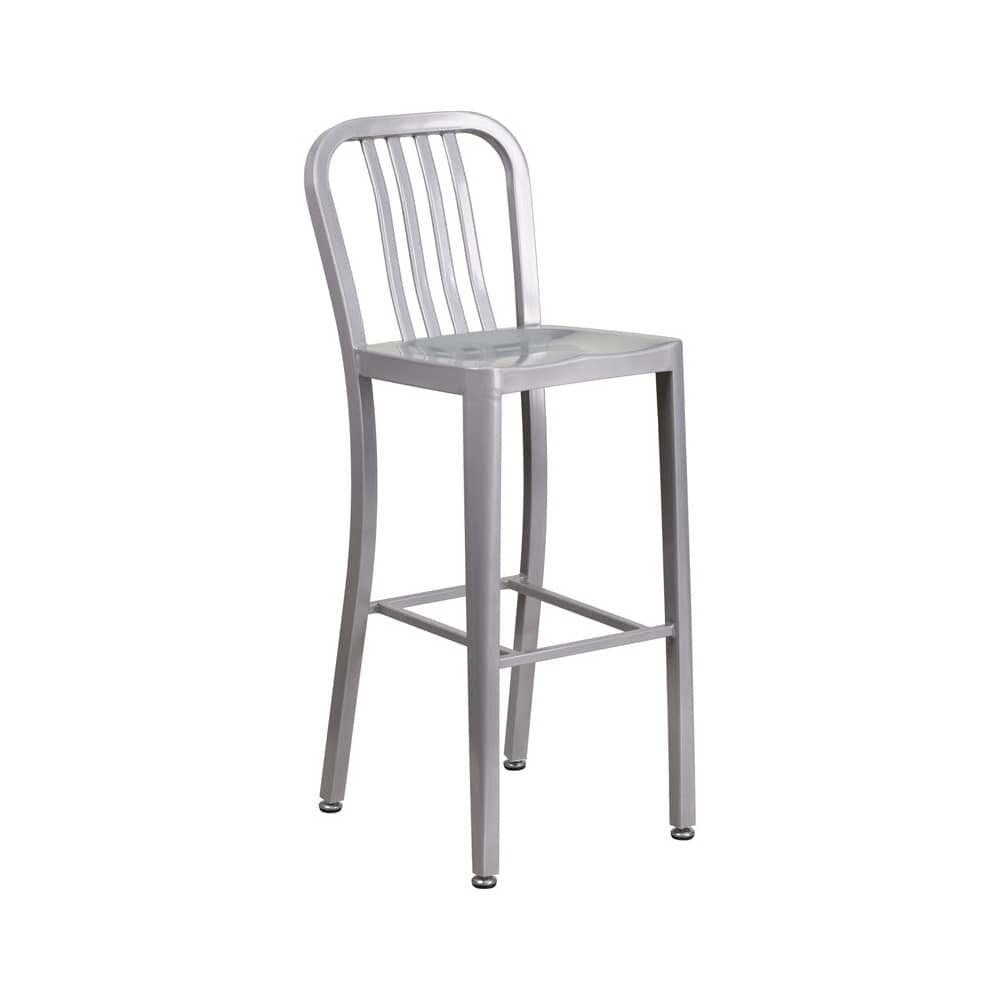
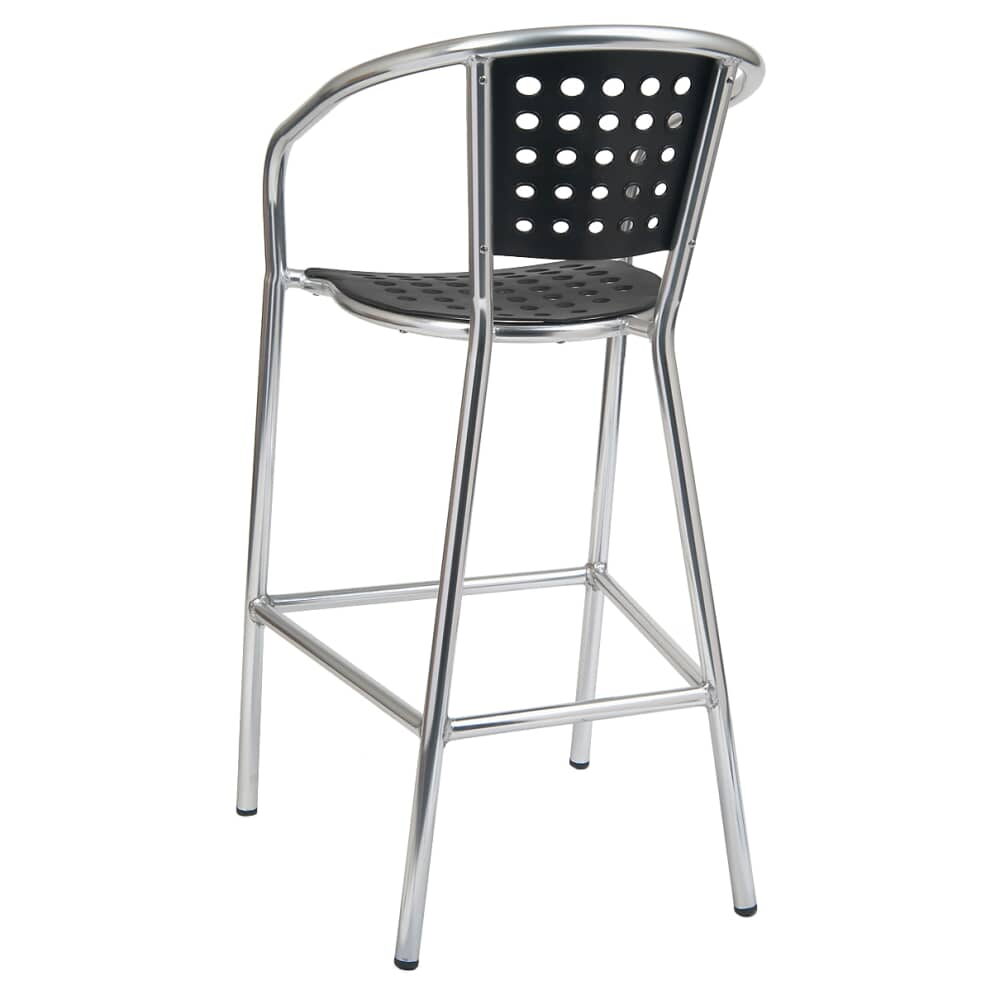
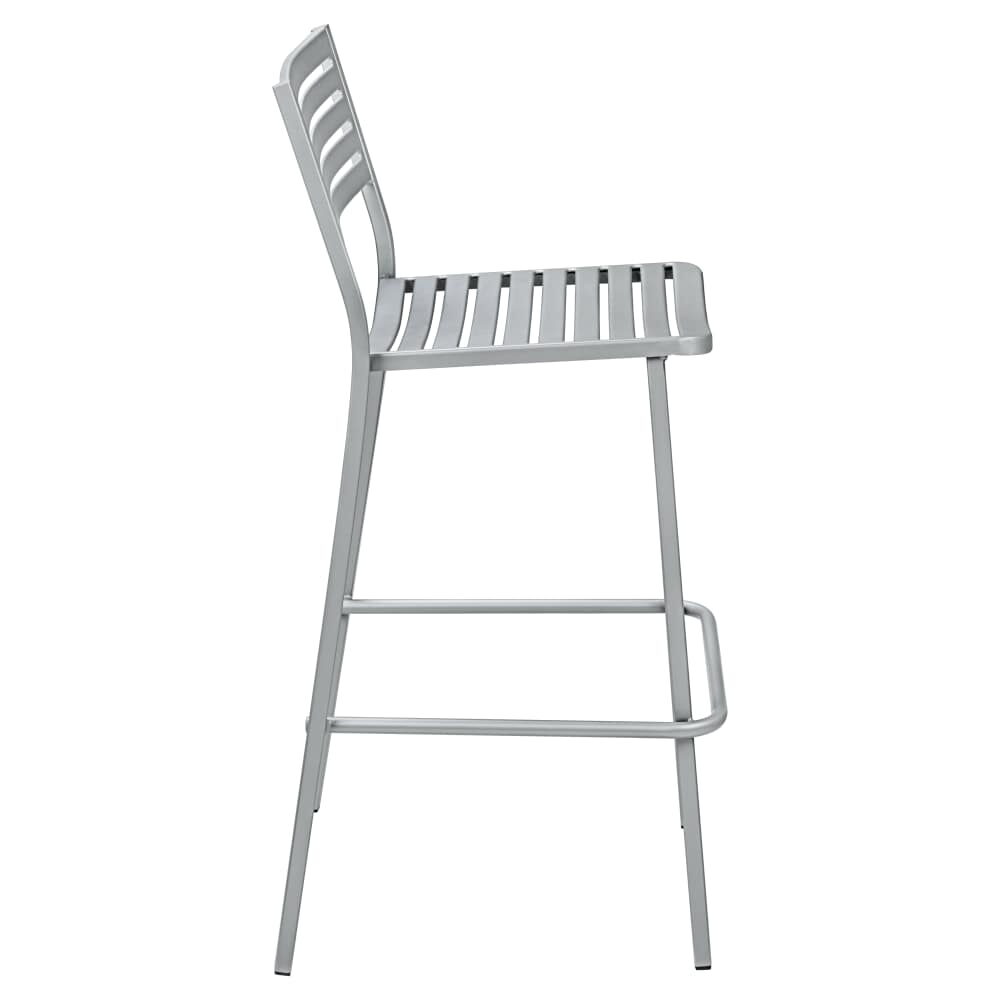
Silver Aluminum Patio Bar Stool, Double Tube
- Aluminum frame
- Listed for patio use
Price $147.00Set it up
CompareRead the listing before it meets the weather.
A rail along the rooftop edge, a high-top by the window, a ledge facing the street. 34 stools here, built from resin, aluminum, steel and painted metal. Measure the surface before you scroll.
34 listed products · Prices in USD · Options on each product

A closer look at this selection
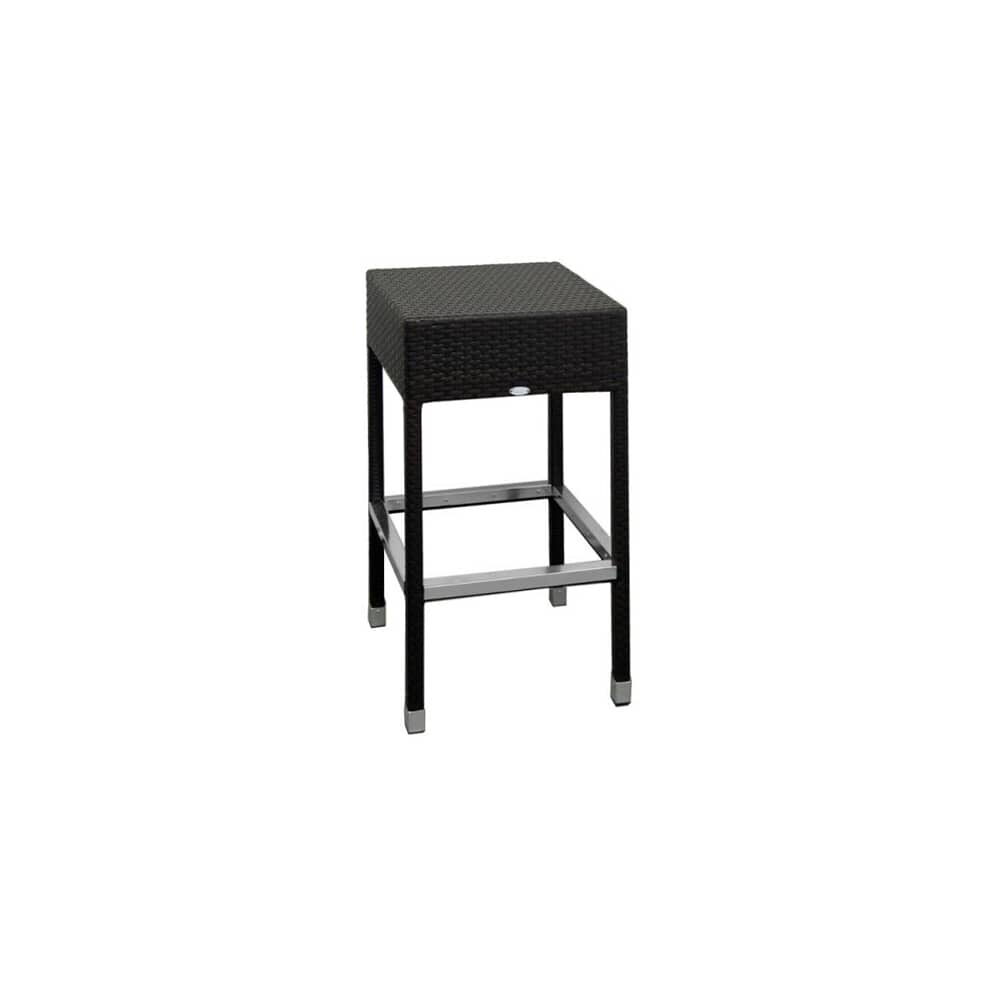
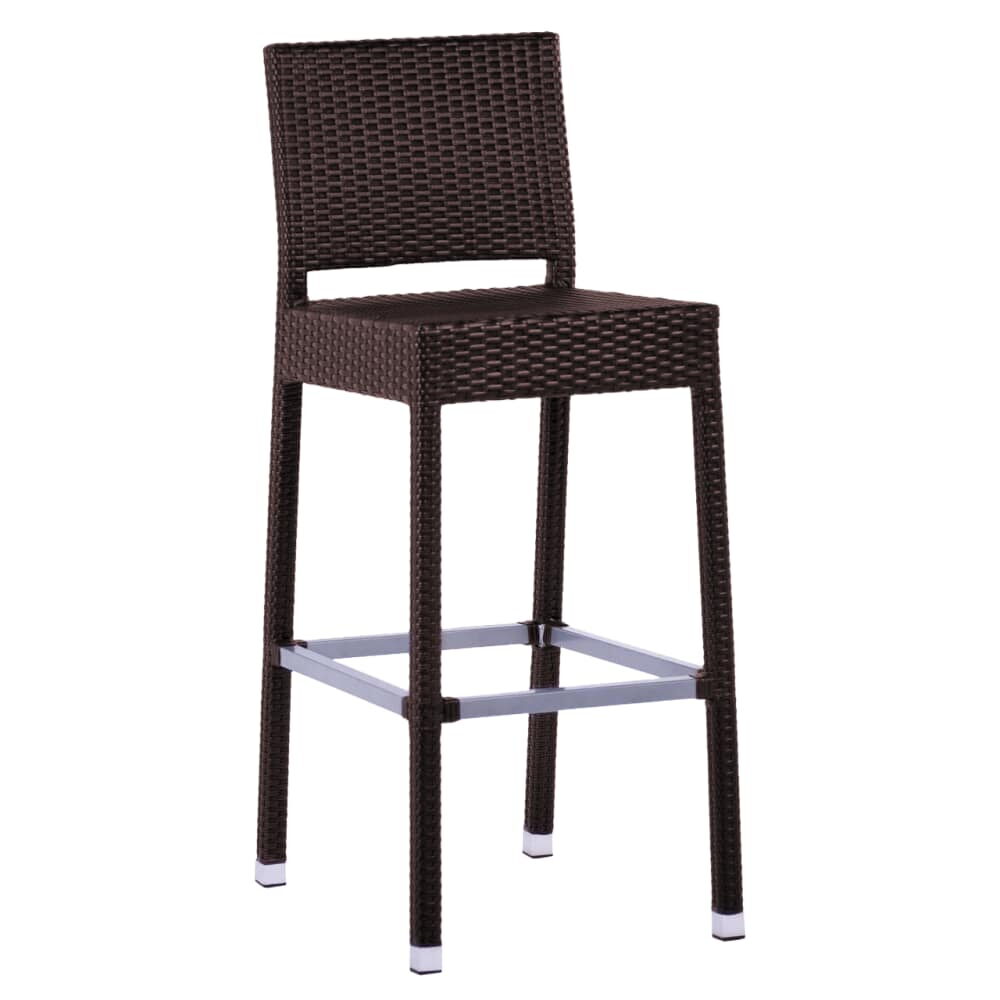
Actual product images. Open a piece to see its available options.
Outdoor
Outdoor
Outdoor
Outdoor
Outdoor
Outdoor
Outdoor
Outdoor
Outdoor
Outdoor
Outdoor
Outdoor
Outdoor
Outdoor
Outdoor
Outdoor
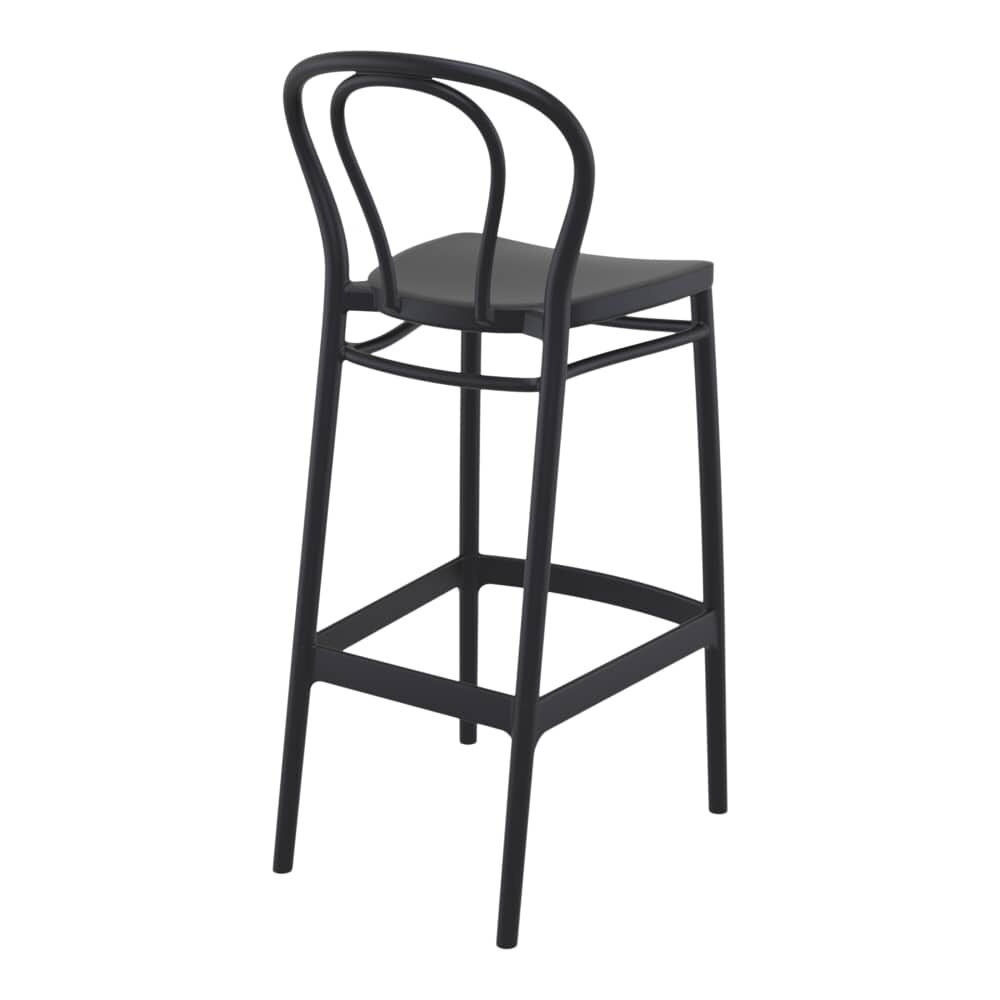
Outdoor
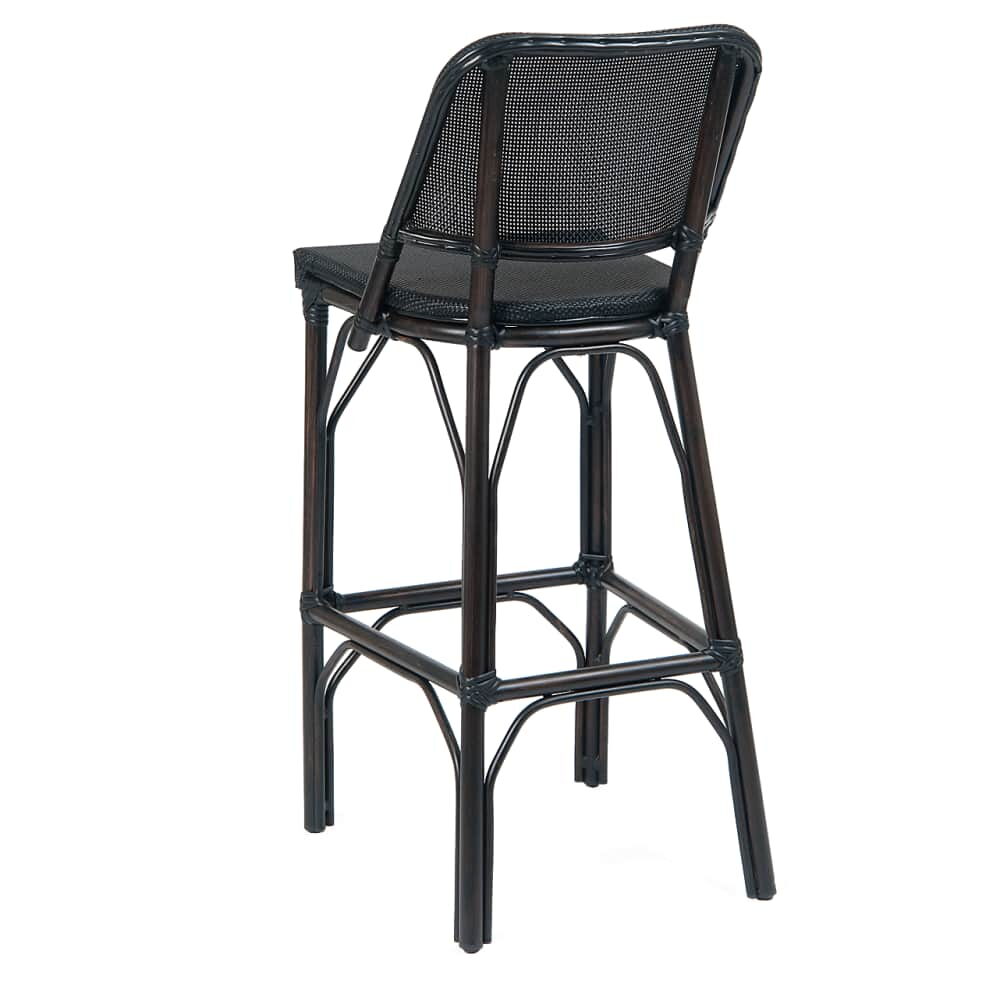
Outdoor
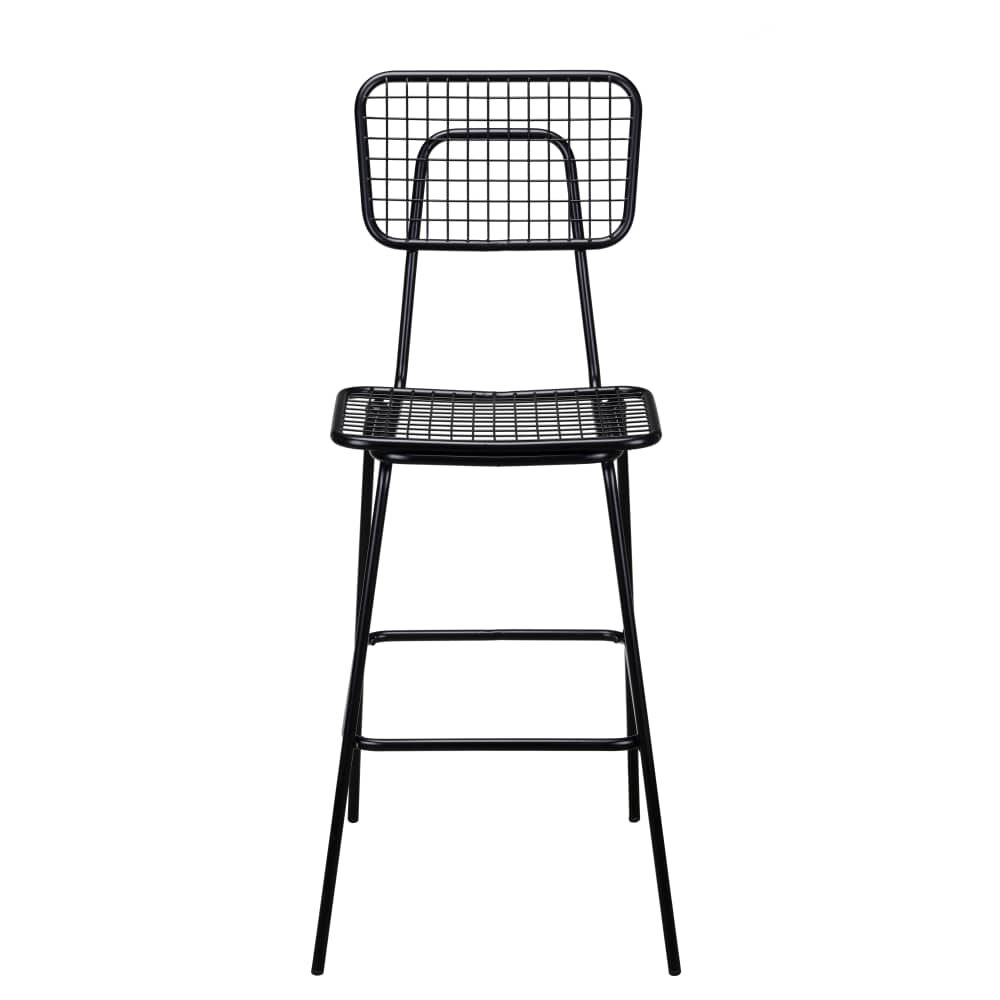
Outdoor
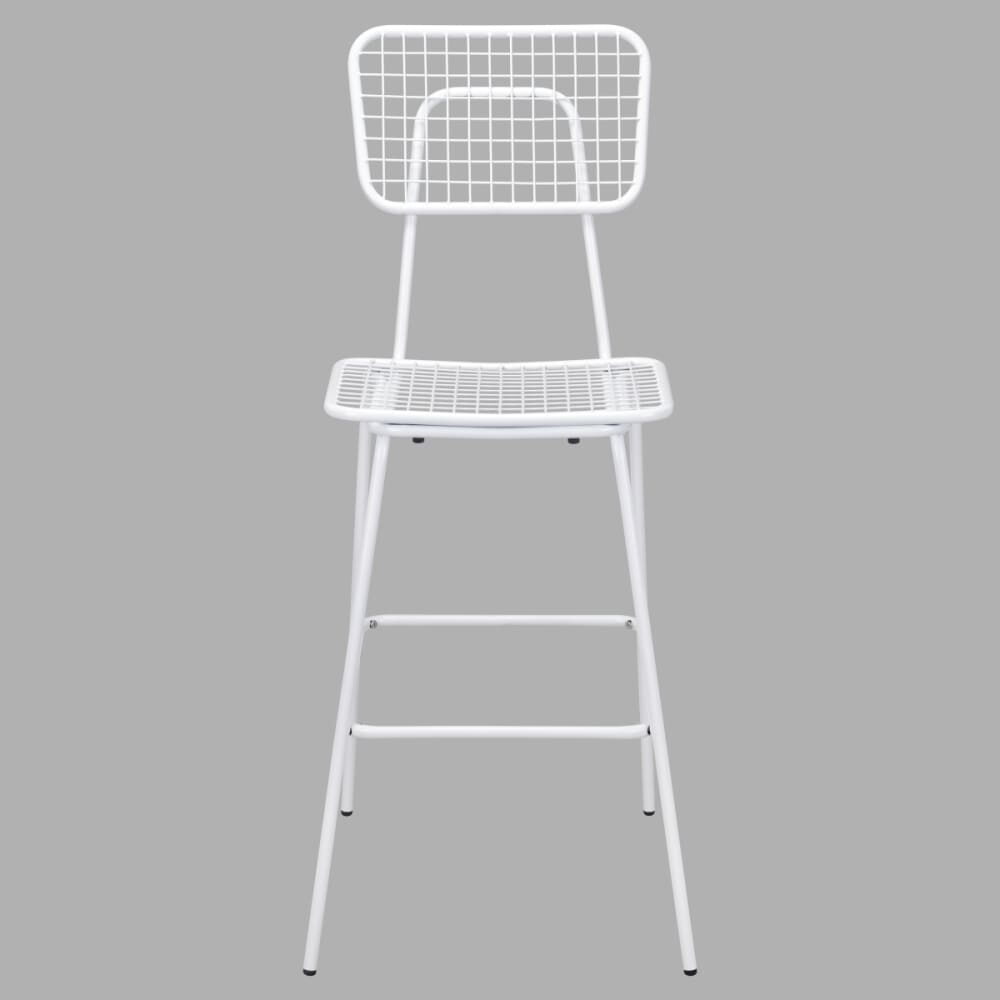
Outdoor
Outdoor
Outdoor
Outdoor
Outdoor
Outdoor
Outdoor
Outdoor
Outdoor
Outdoor
Outdoor
Outdoor
Outdoor
Outdoor
Outdoor
Patio bar stools
Read the frame line first, then the seat: aluminum, resin, synthetic teak and coated steel all live outside. A few models are marked for covered patios only, so put those under a roof or an awning. Slatted seats shed a shower faster than solid ones, and a stackable chair cuts the nightly breakdown in half.
Seat heights on patio bar stools land between 28 1/4 and 30 inches where listed, so measure the bar rail first and keep stool centers 24 to 30 inches apart.
Read the listed indoor or outdoor use and the material details for each product. A patio photograph or a similar-looking finish is not a substitute for the product description.
Plan where the furniture will go when it is moved or stored. Use the product care information for the actual material, and check stated stacking details before assuming chairs can be stacked.
A rail along the rooftop edge, a high-top by the window, a ledge facing the street. 34 stools here, built from resin, aluminum, steel and painted metal. Measure the surface before you scroll. Take a ledge of 40 to 42 inches: a seat in the 29 to 31-inch band suits it, and most of this range lands there.
Listed seat heights here run between 28 1/4 and 30 inches. Against a bar-height ledge, that leaves a knee gap of about a foot. Keep stool centers 24 to 30 inches apart. Closer than 24 and elbows meet. Wider than 30 and the rail looks half empty on a slow Tuesday.
Measure from the ground to the top of the ledge, and do it at both ends. Rooftop decks and old sidewalks can slope, and one inch of difference changes which stool fits. A stool with a back gives guests something to lean on while the sun goes down; a low back keeps the view open over the rail. Our outdoor bar stools guide runs the full rail check, and a ledge at counter height has its own notes in outdoor counter stools.
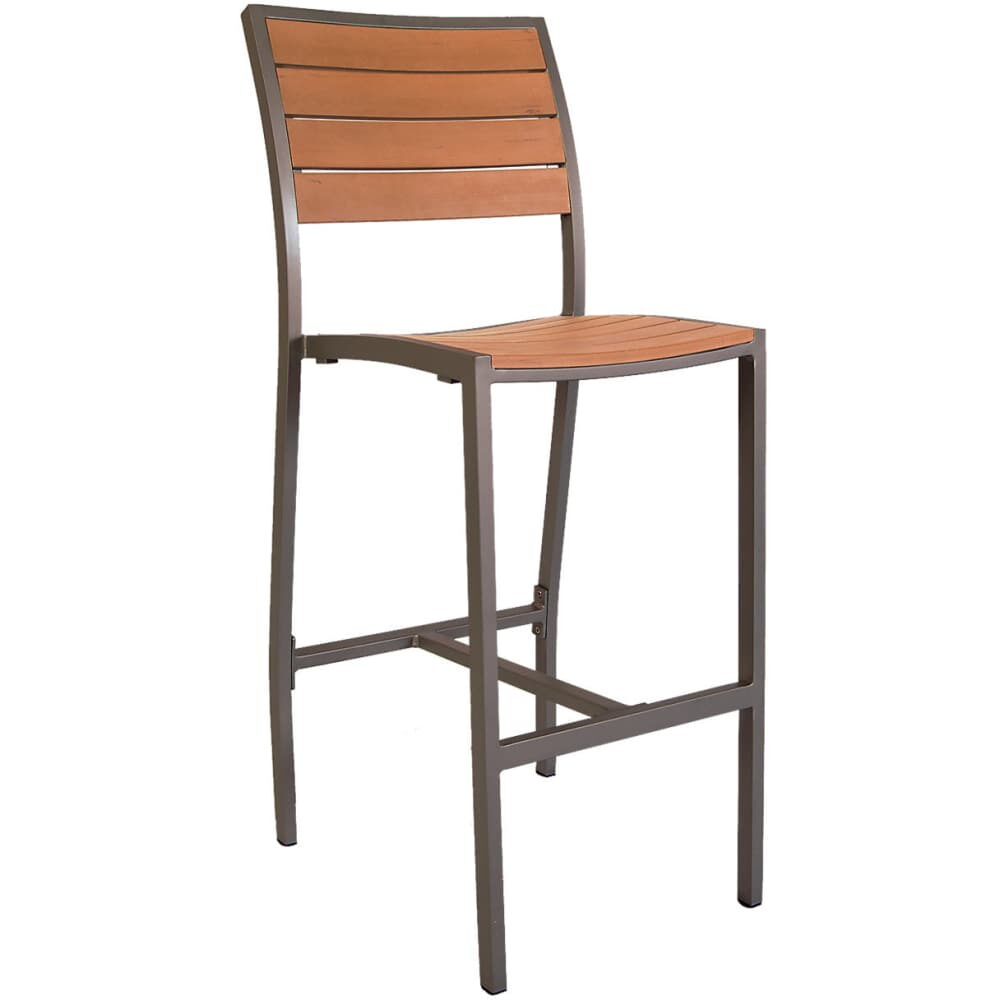
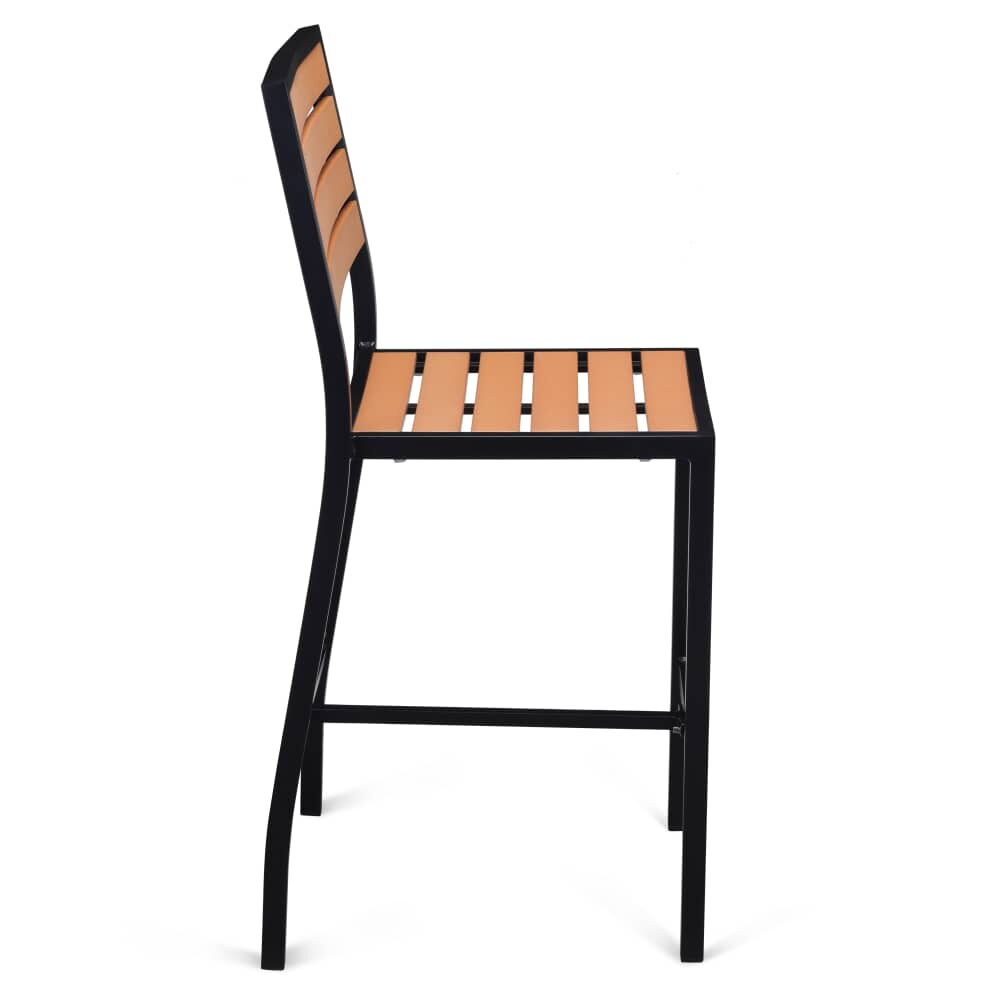
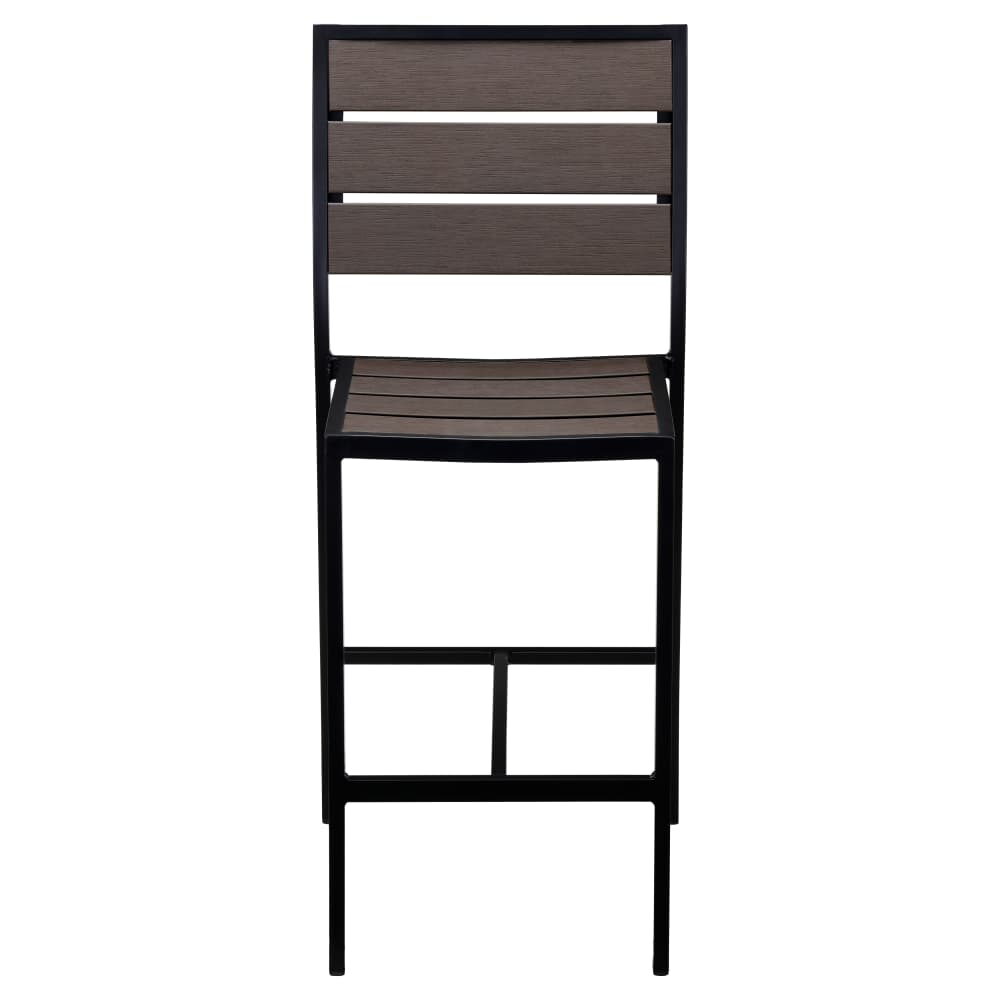
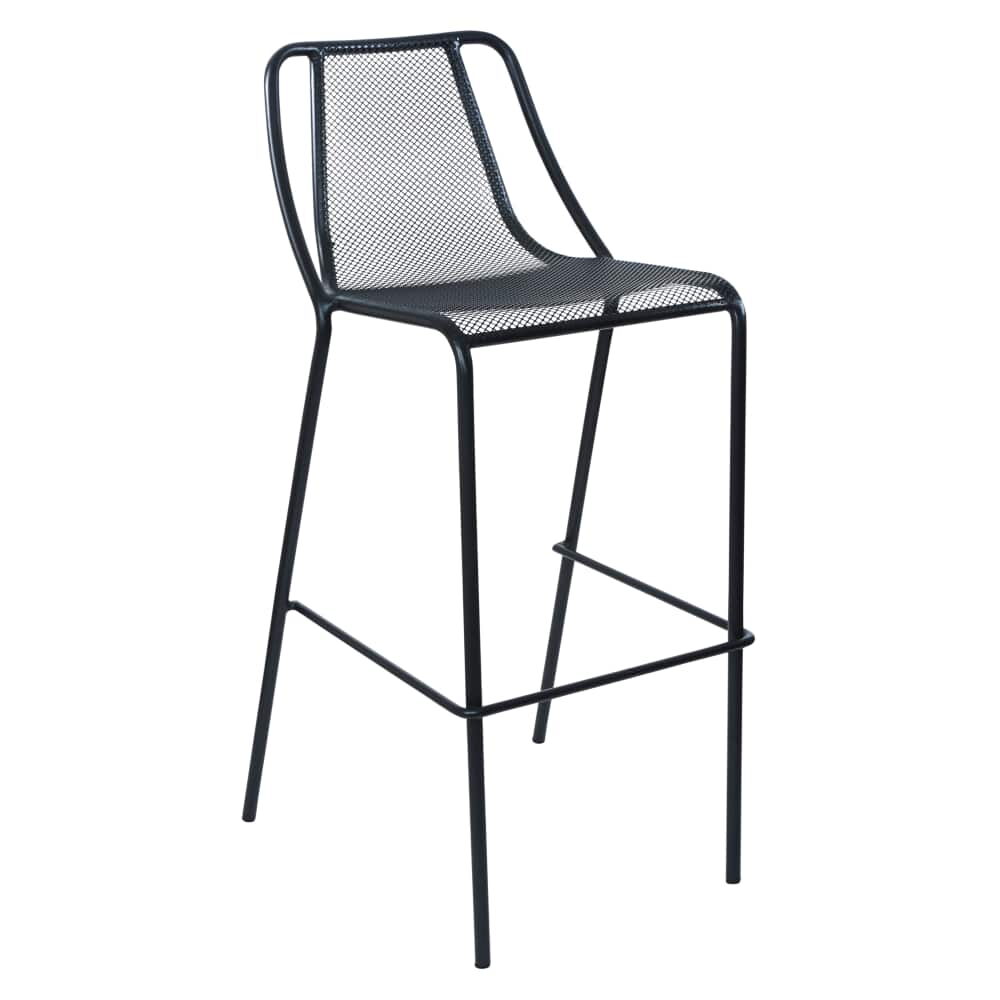
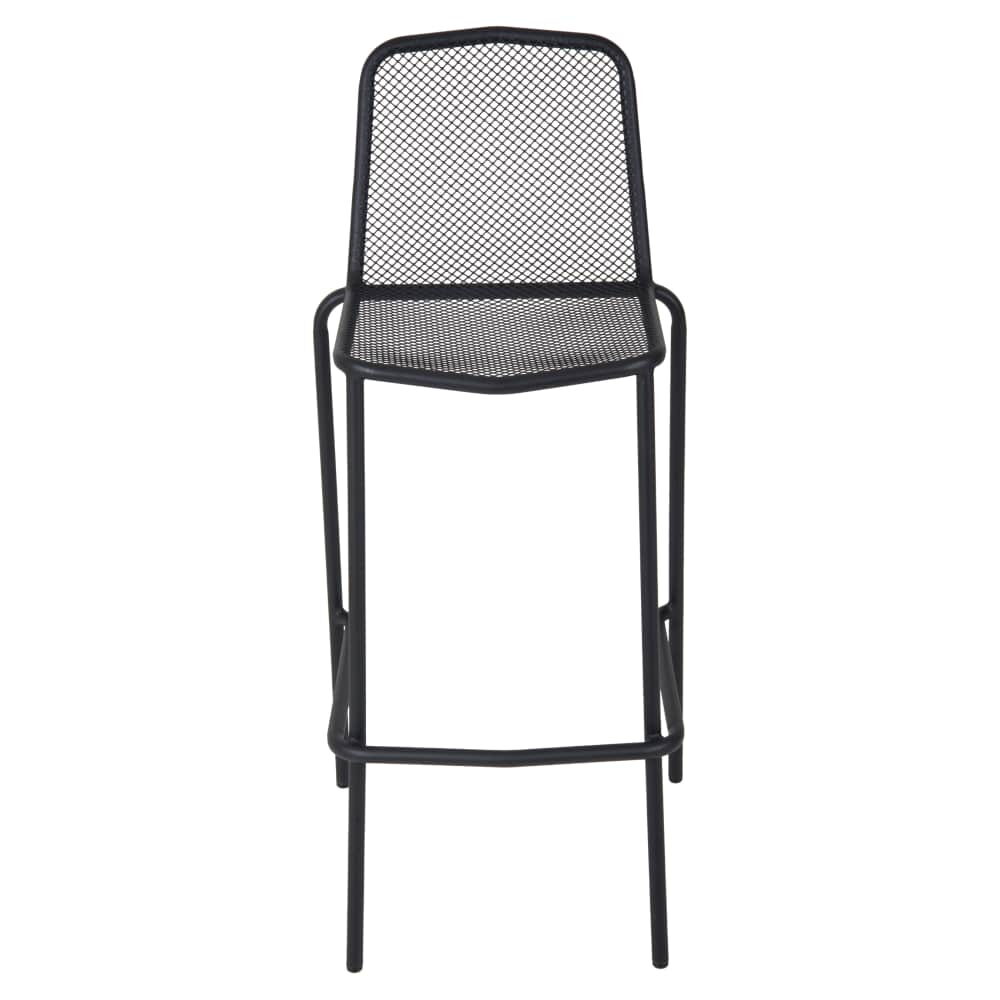
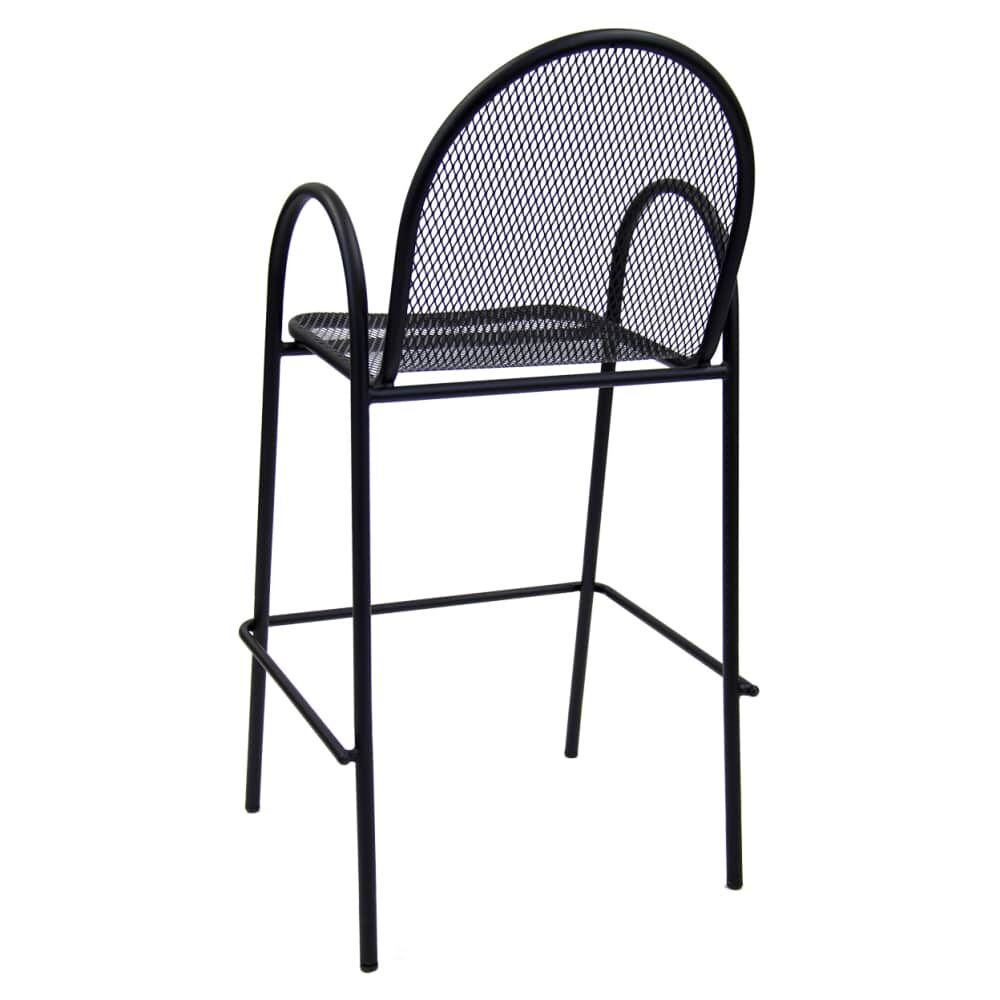
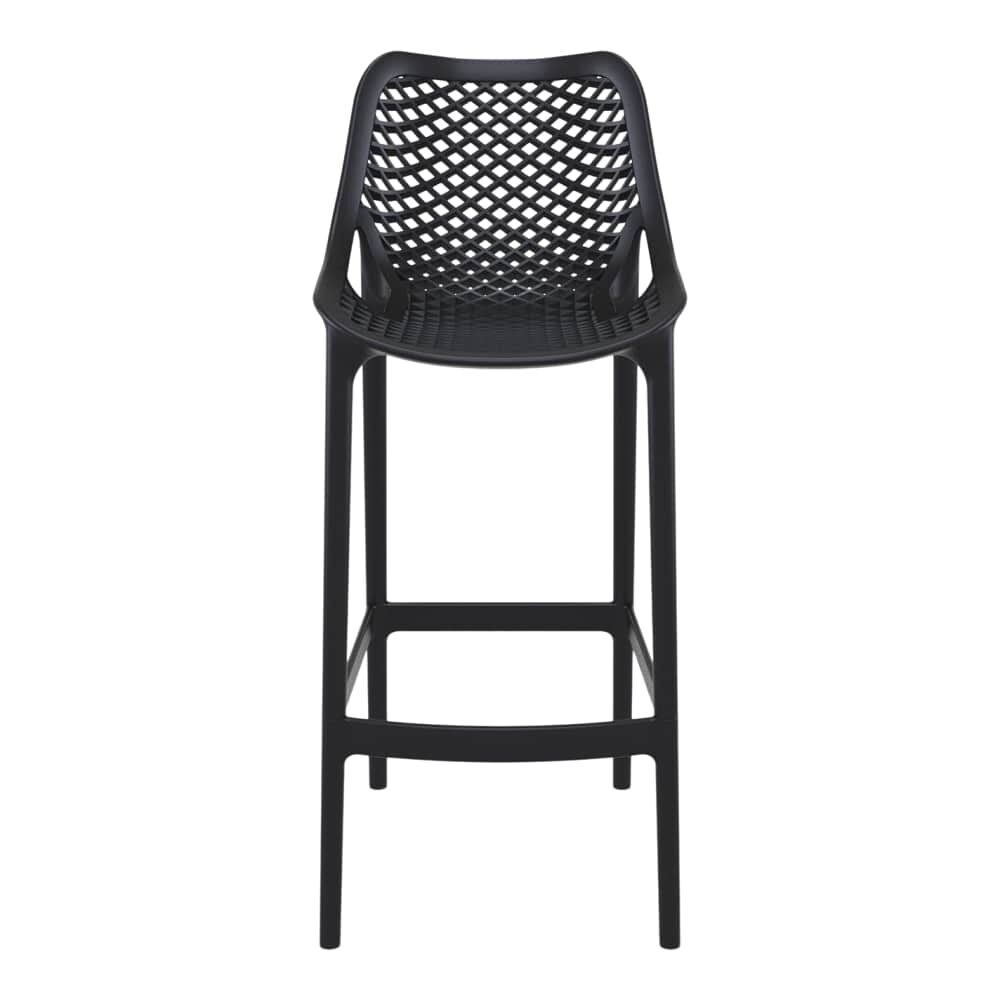
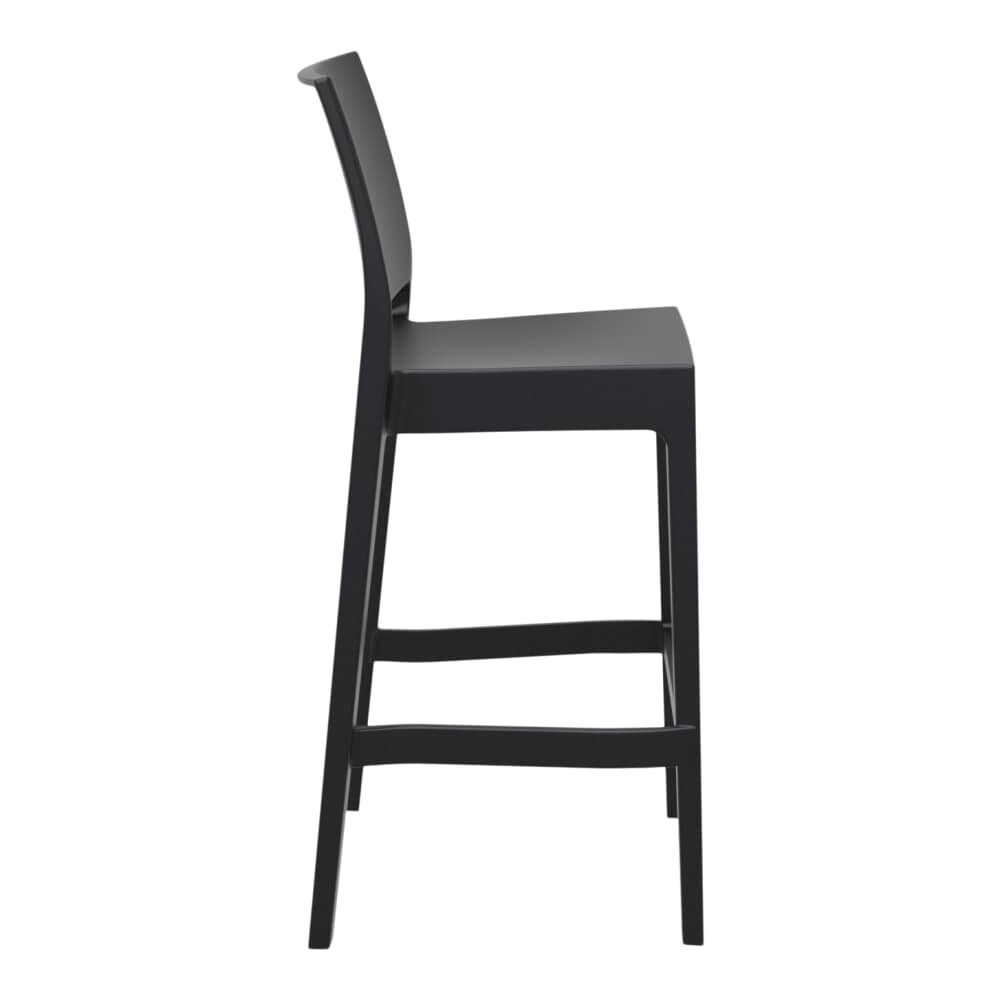
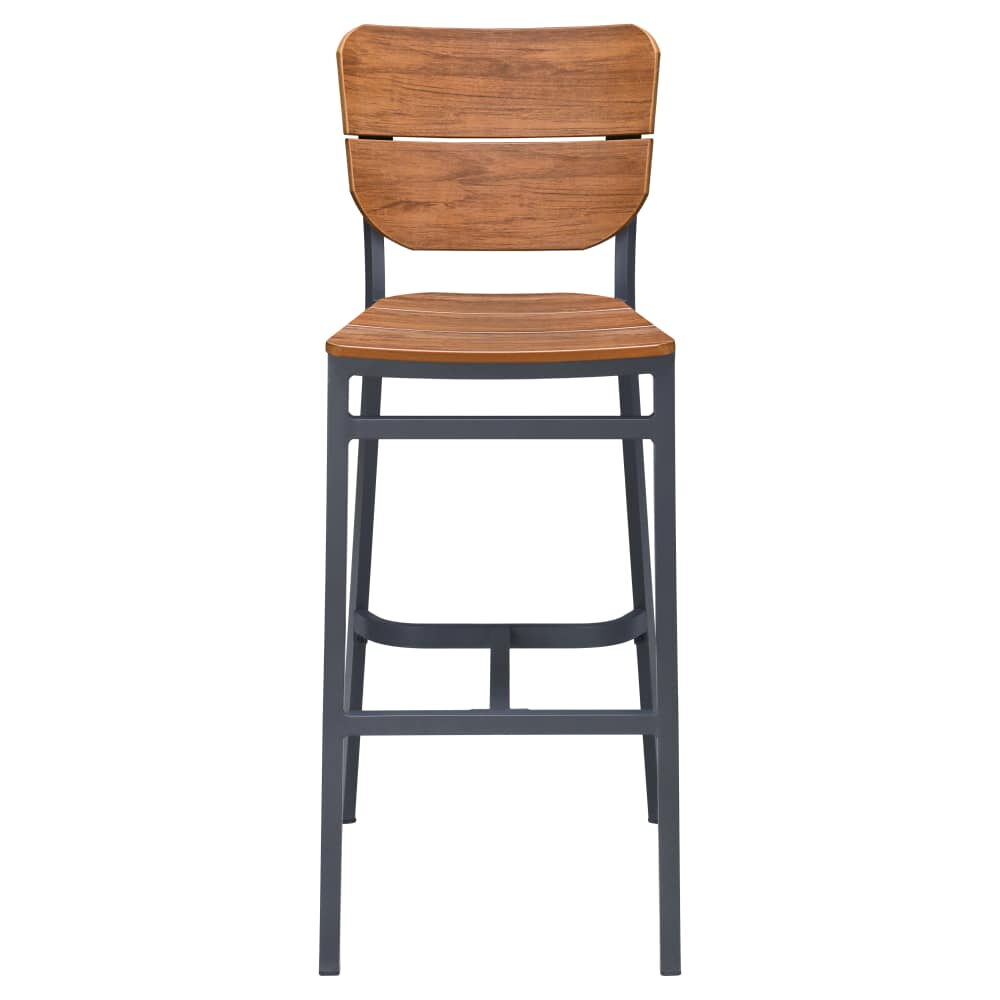
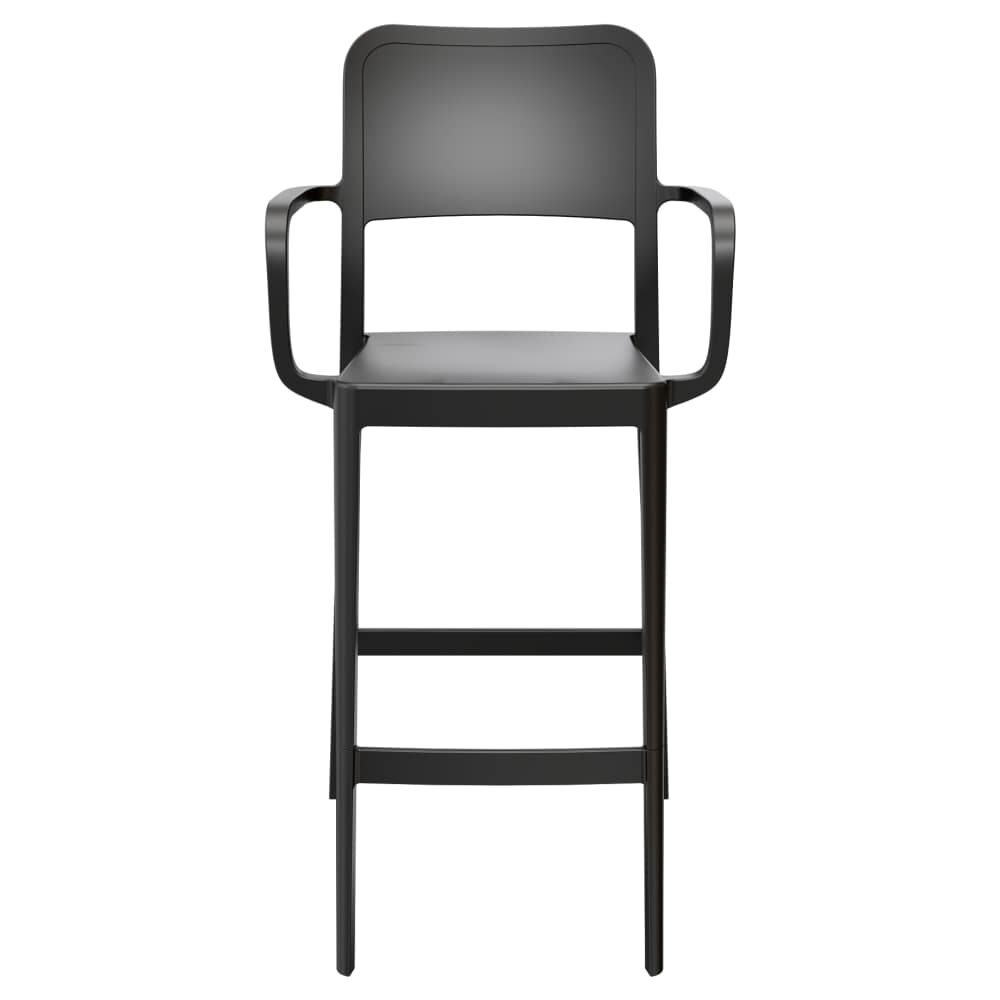
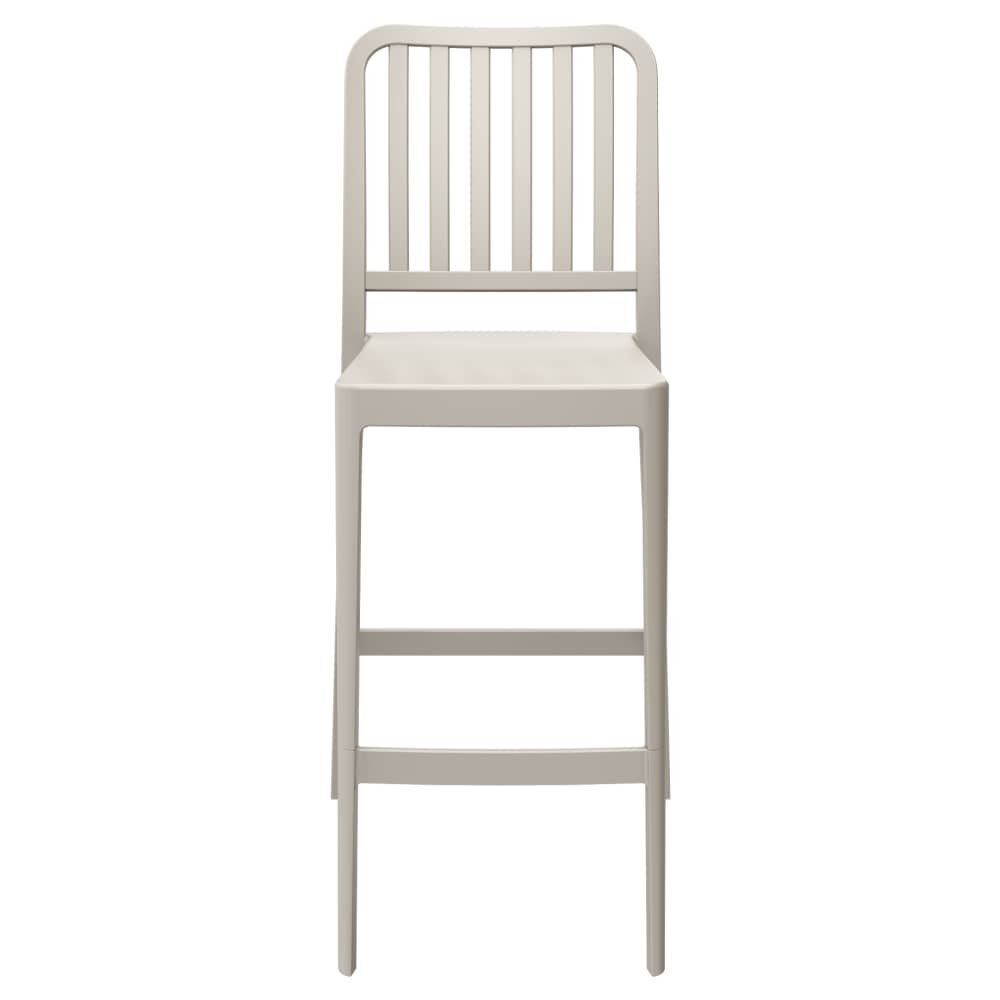
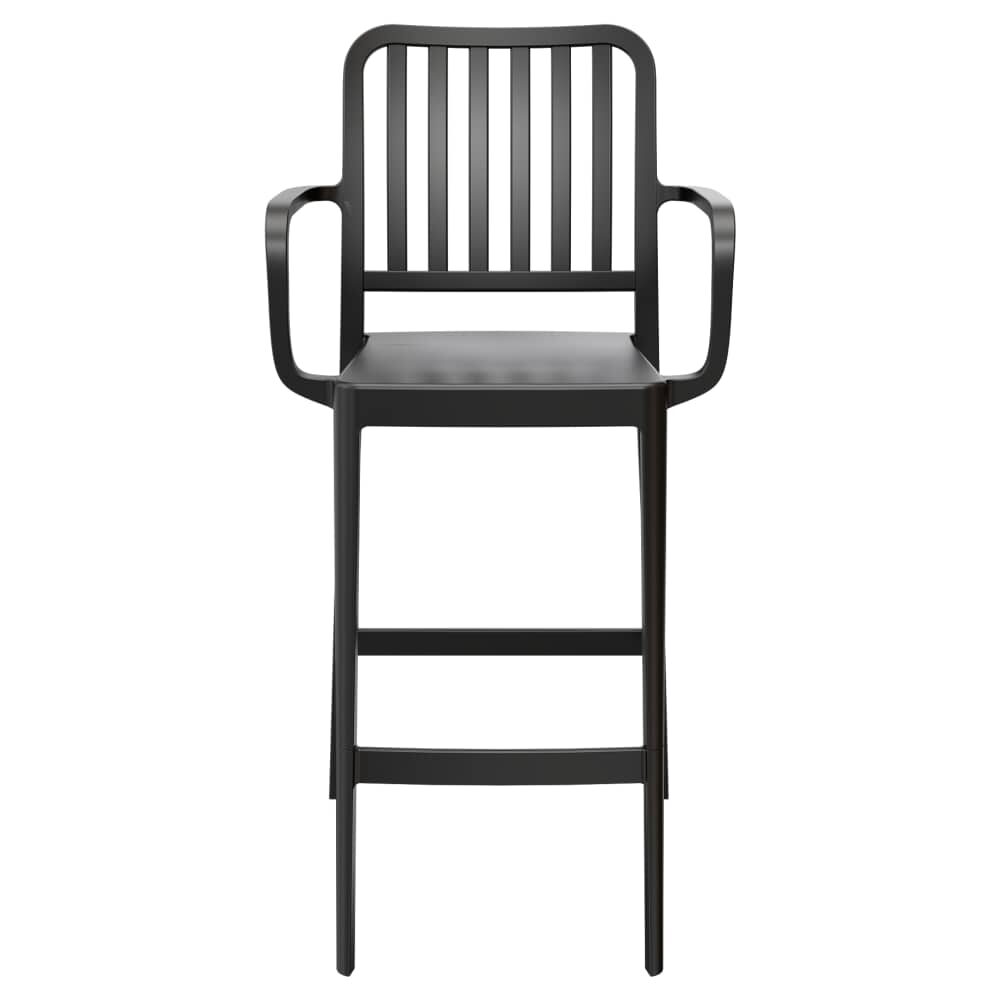
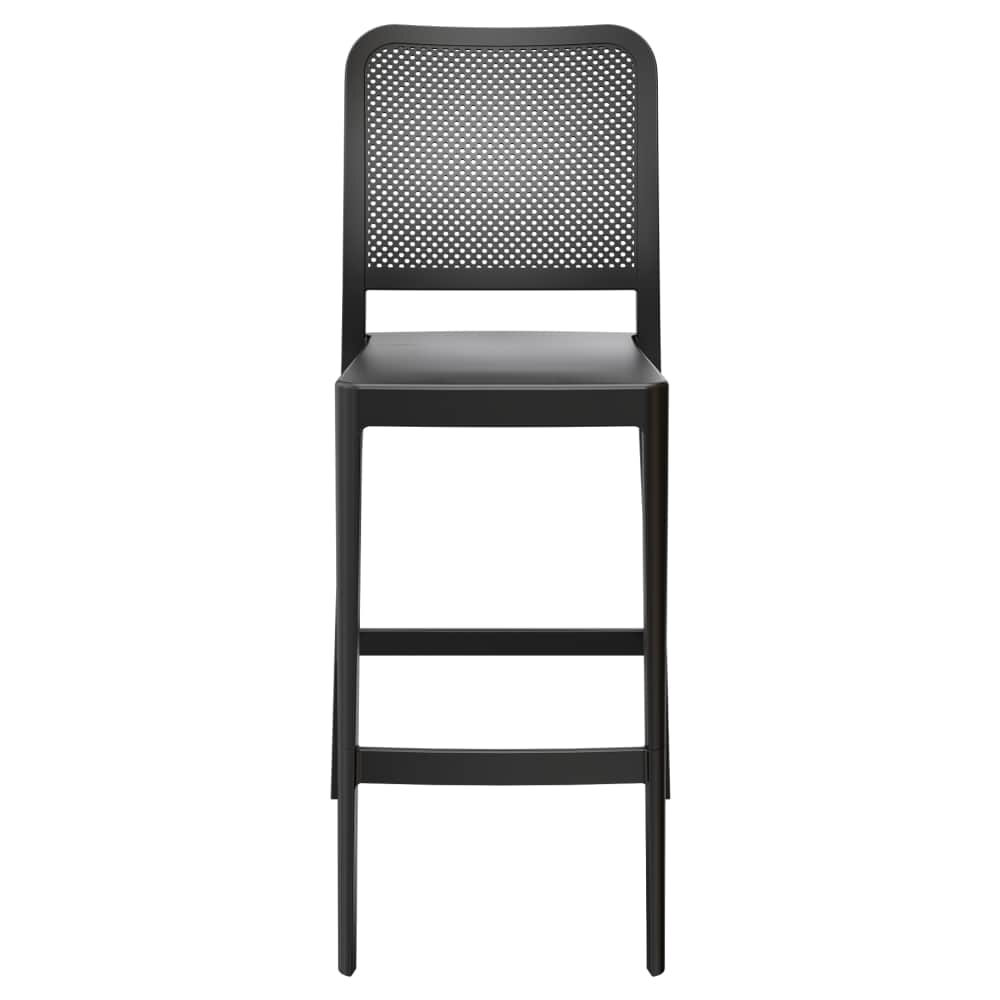
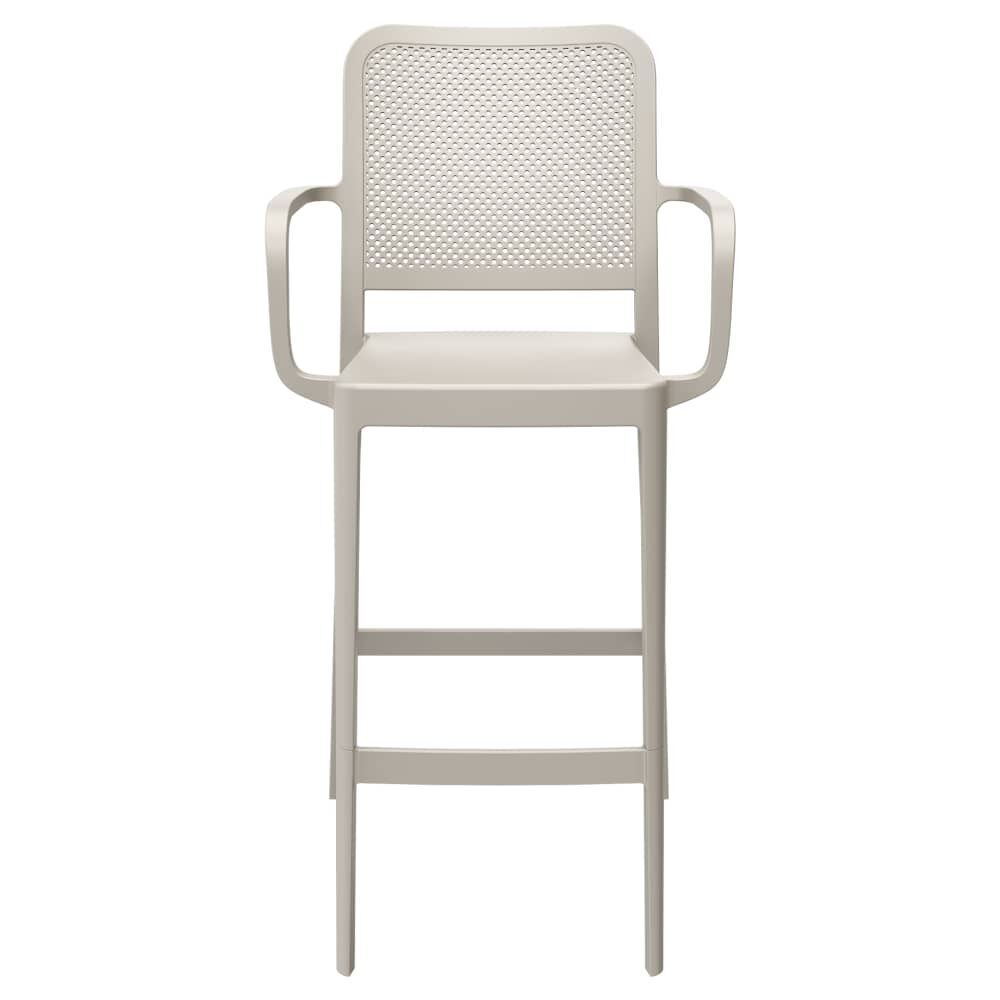
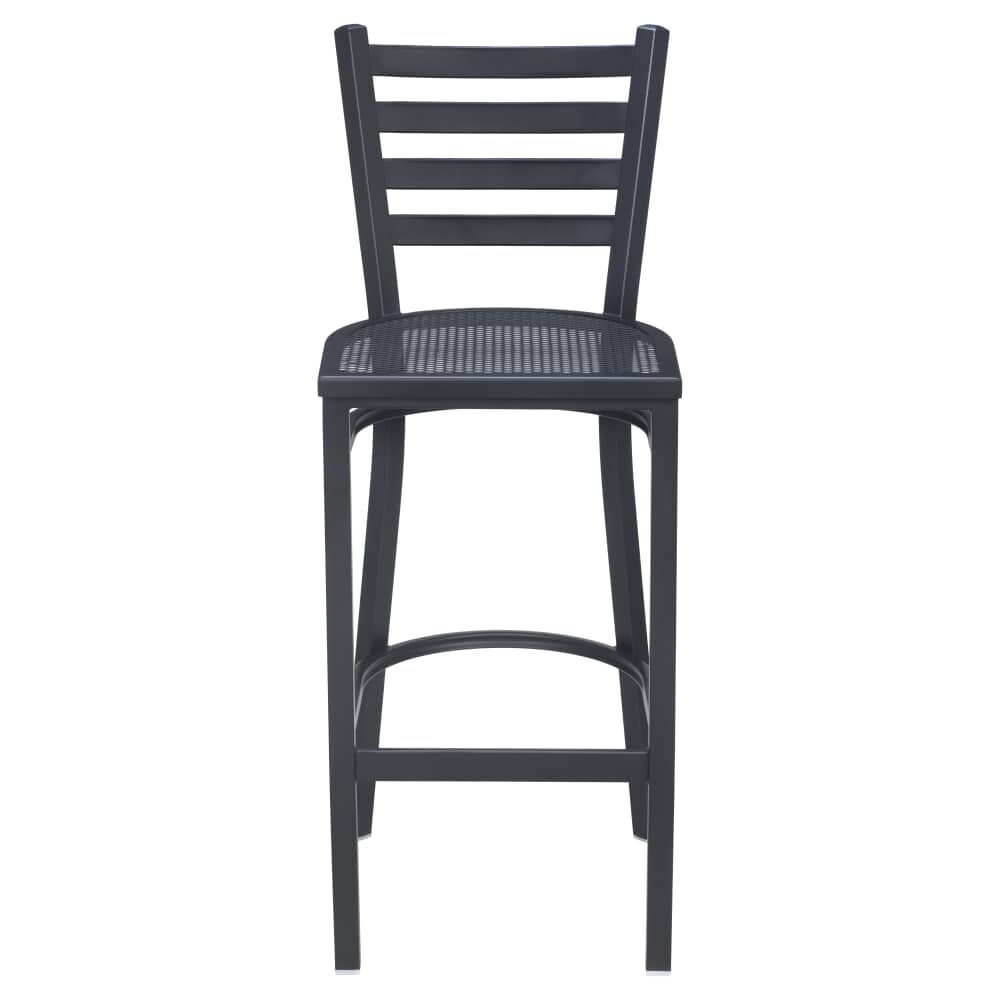
Resin is the biggest group. A slatted resin bar stool with arms has a 29 3/4-inch seat, stacks, and is rated to 500 pounds; its armless twin does the same in a narrower footprint. Mesh metal lets the wind through, and a black mesh bar stool with arms stands 45 inches tall. Faux teak slats on aluminum, like the rust-finish aluminum stool, carry a wood look up to the rail. Prices run from about $95 to $205 a stool, so a rail of ten can be a modest line or a real one.
More than half the range stacks. A few stools have arms, and the woven seats get a page of their own in wicker bar stools. One carries a covered-patio-only note, so read the usage line before it goes up on an open roof.
Rooftops get the gusts first. Put the heavier stools on the windward rail, and bring the lightest ones in when the wind picks up. After rain, wipe the seats, let the slats dry, and at season end cover or store the lot. Patio pieces left out without care fall outside the warranty, and stools are no exception. Each spring, check the feet and the footrests before the first full weekend.
Pair them with bar-height tops from patio tables or plastic teak tables, and match frames across chairs and stools through outdoor furniture sets. Then draw the rail in an outdoor plan: its length divided by 24 to 30 inches gives you the stool count. Each frame color counts as its own line when you order.
Related reading