Outdoor
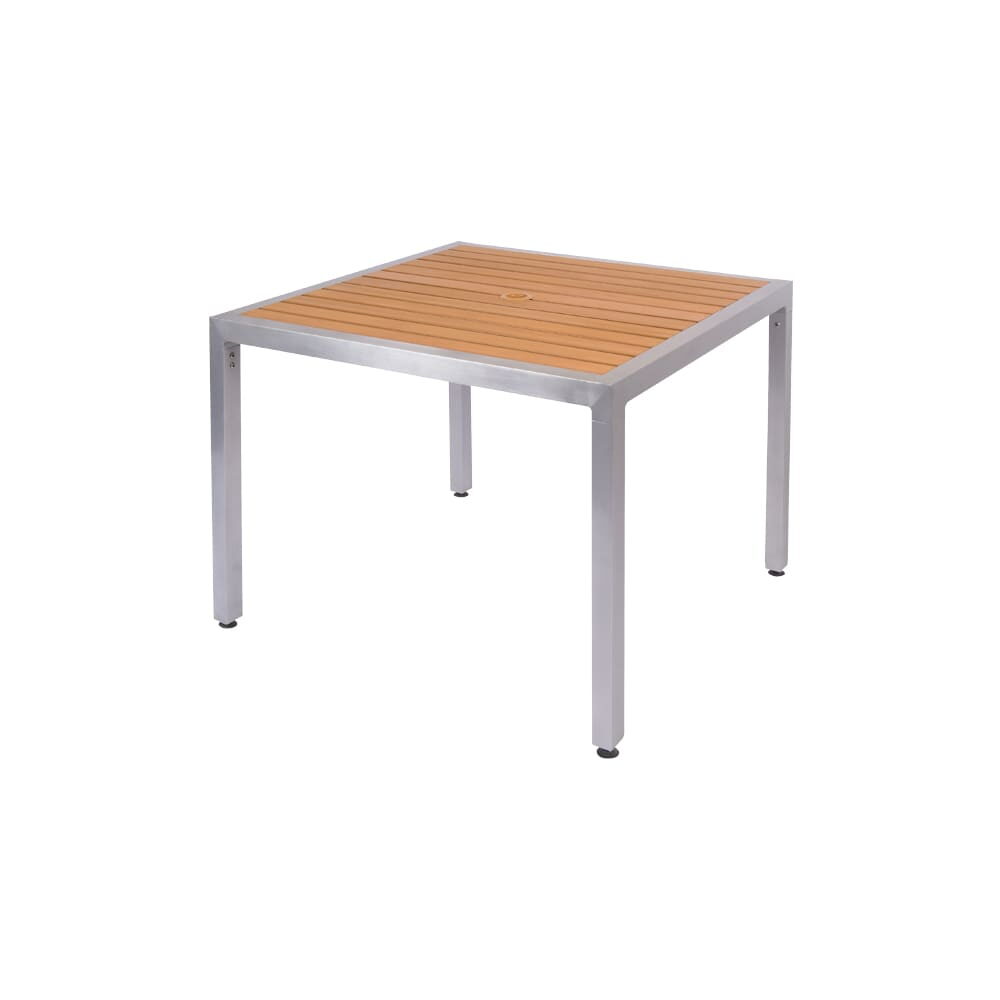
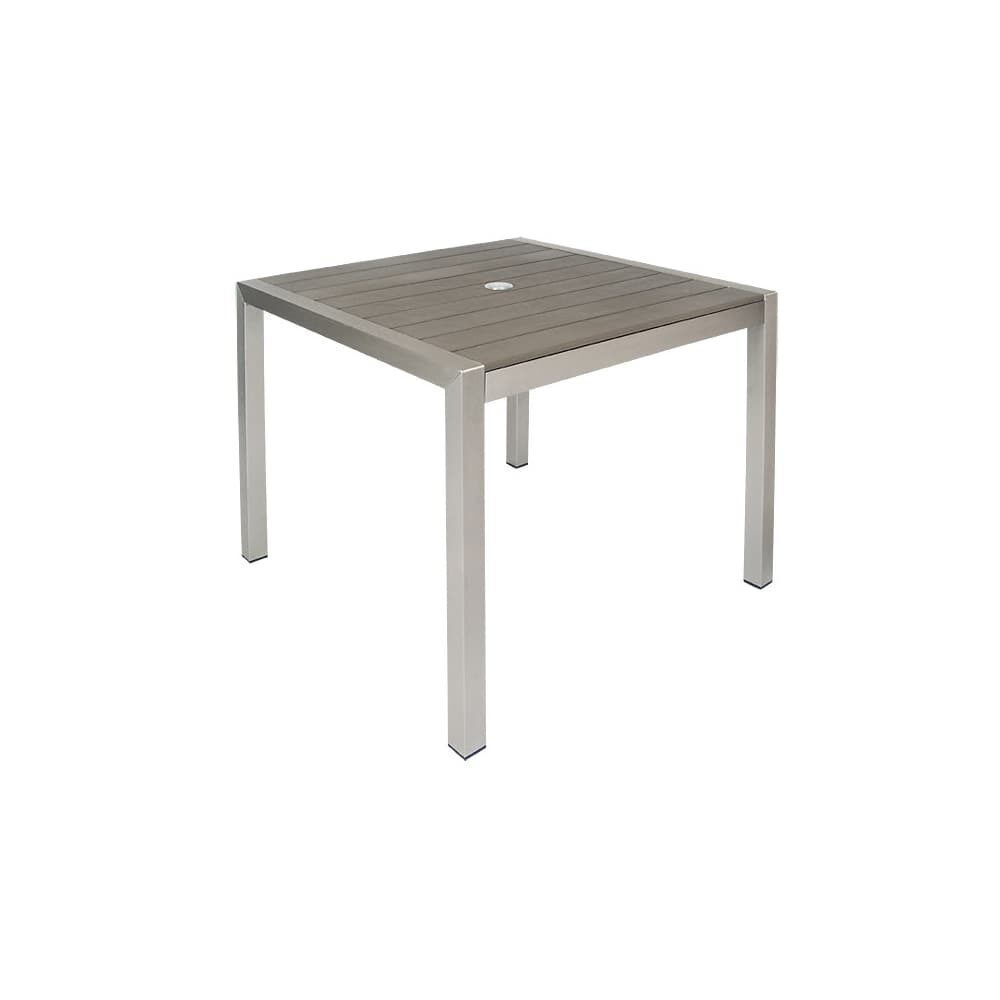
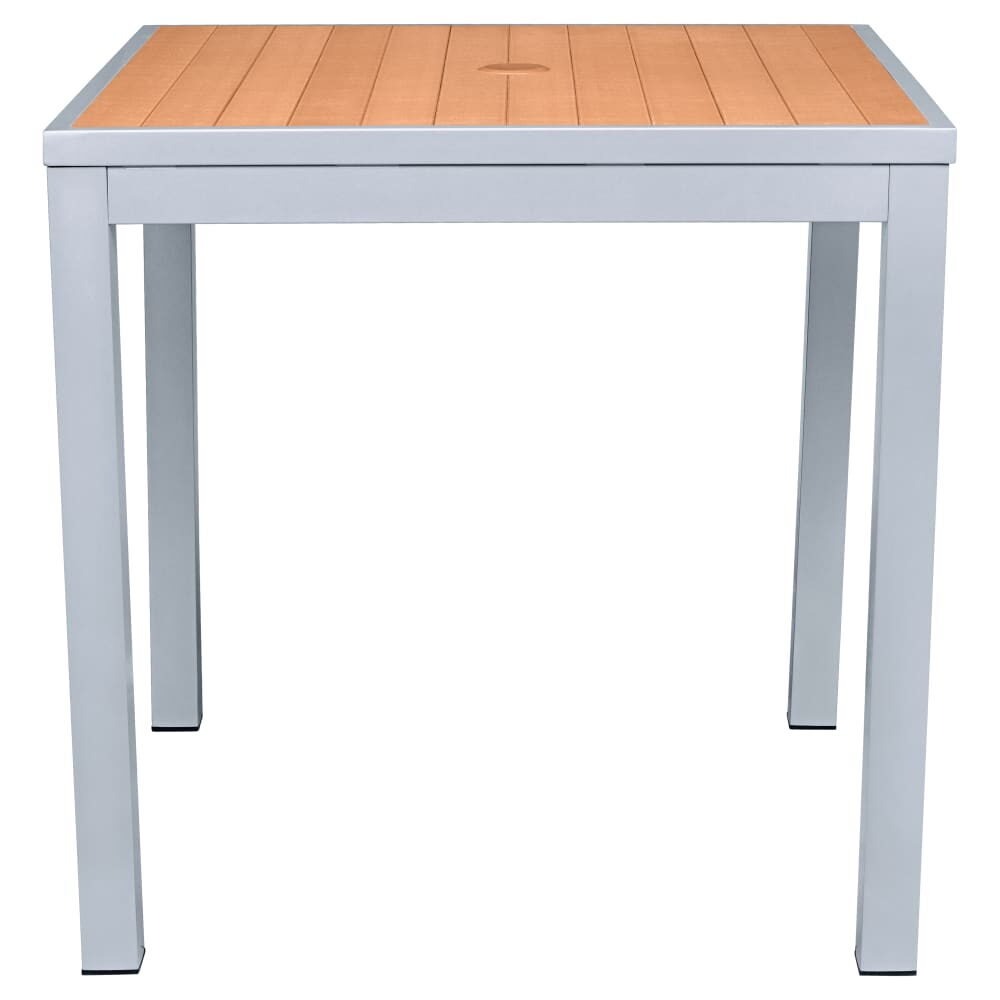
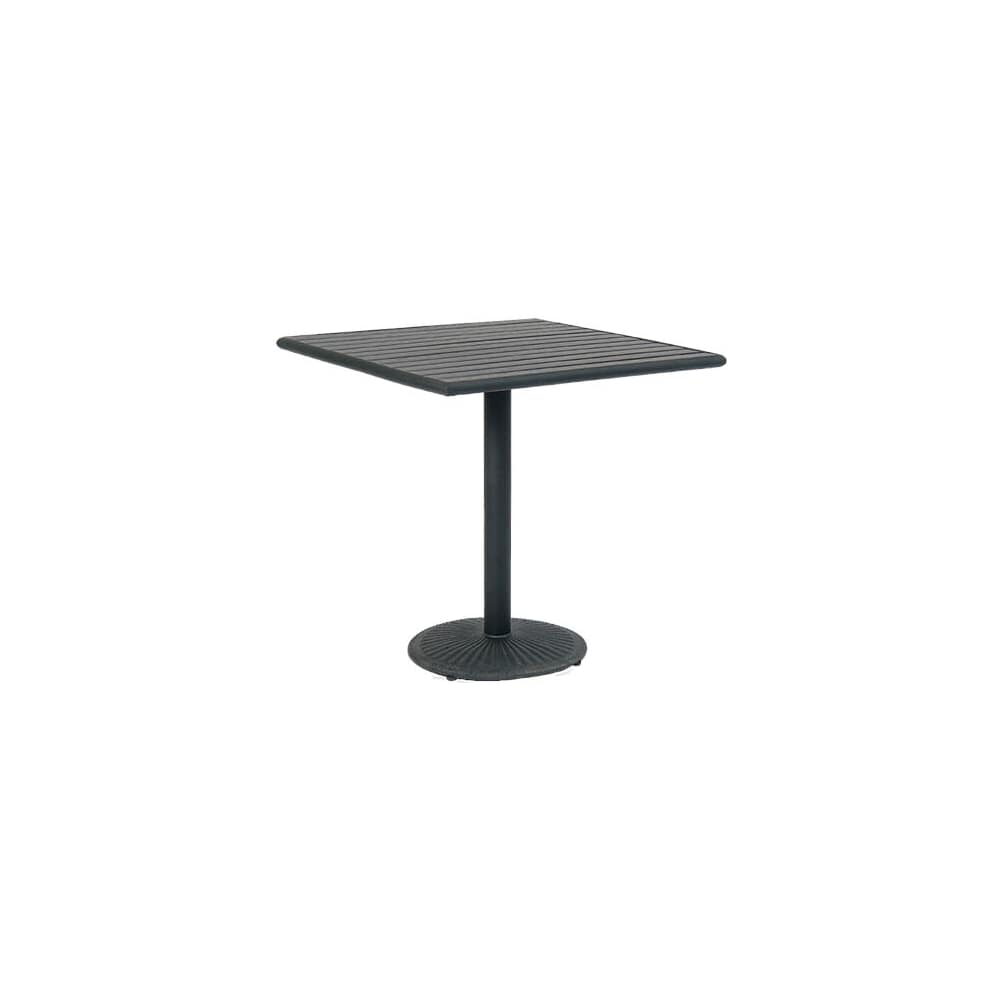
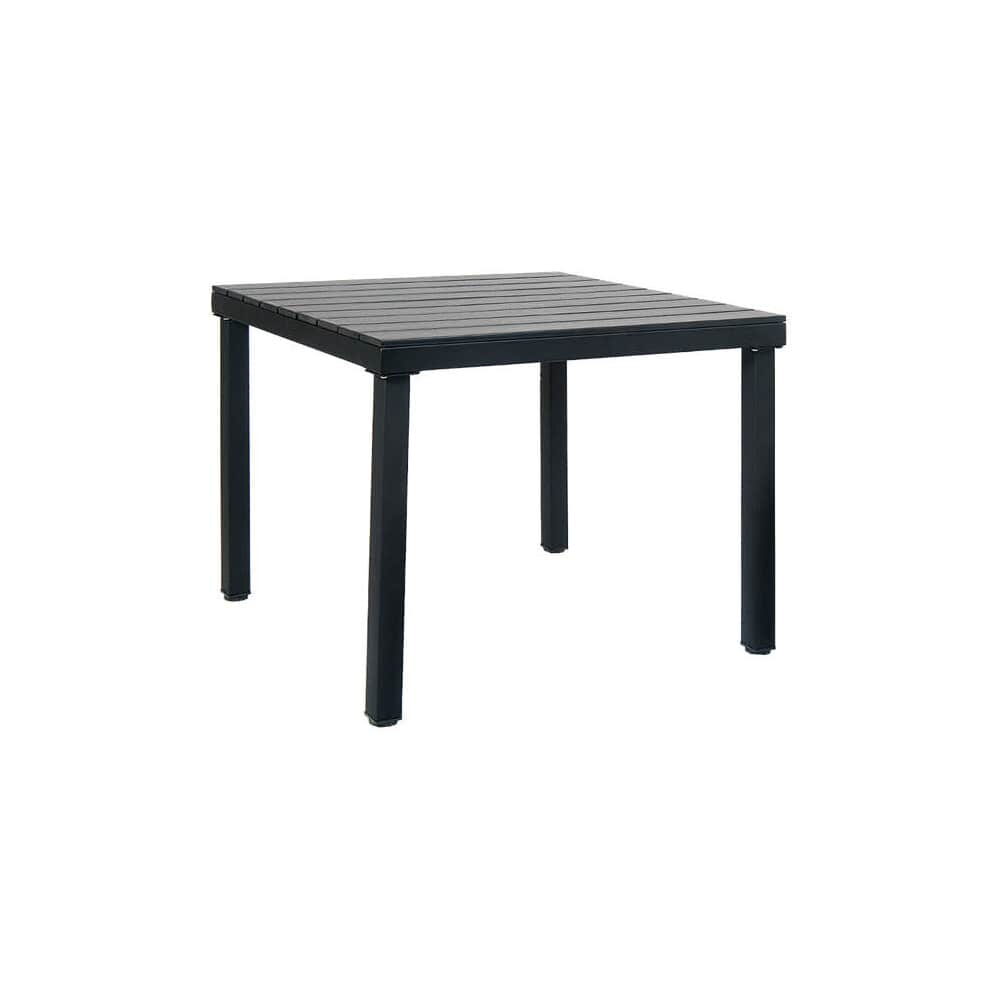
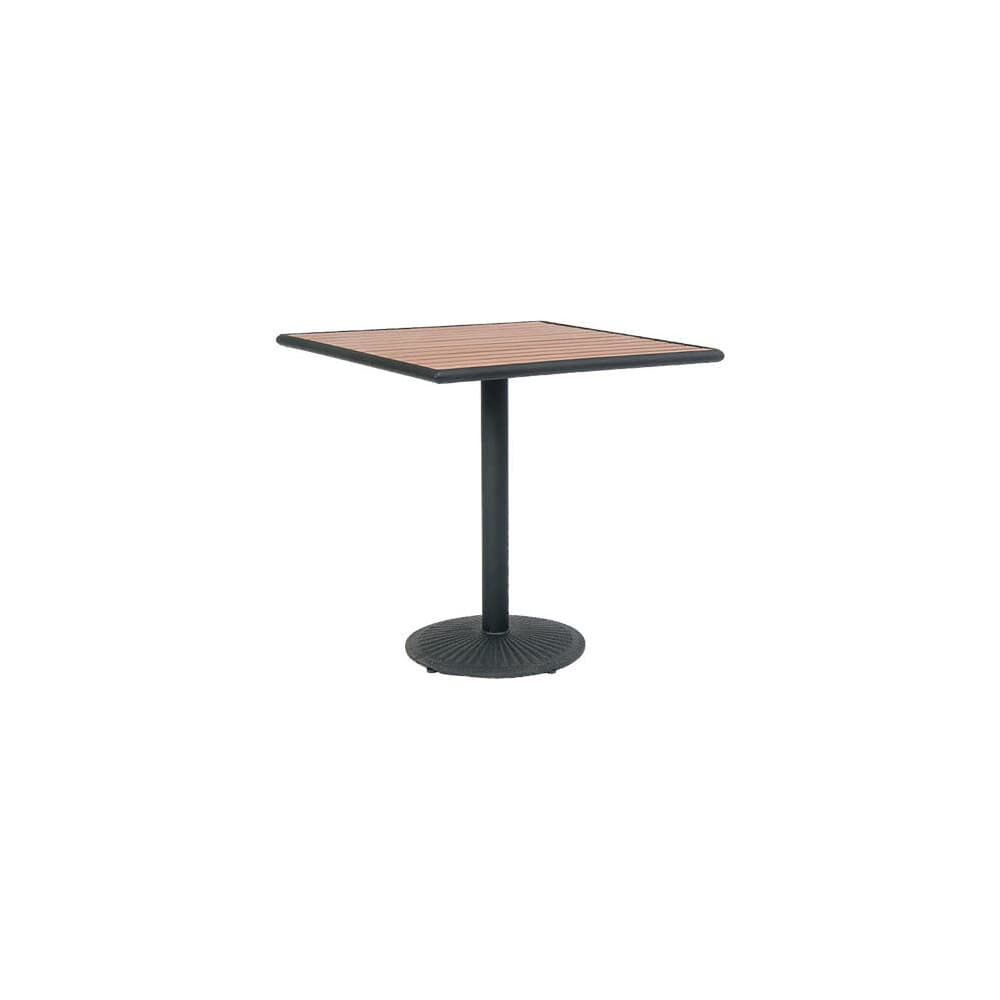
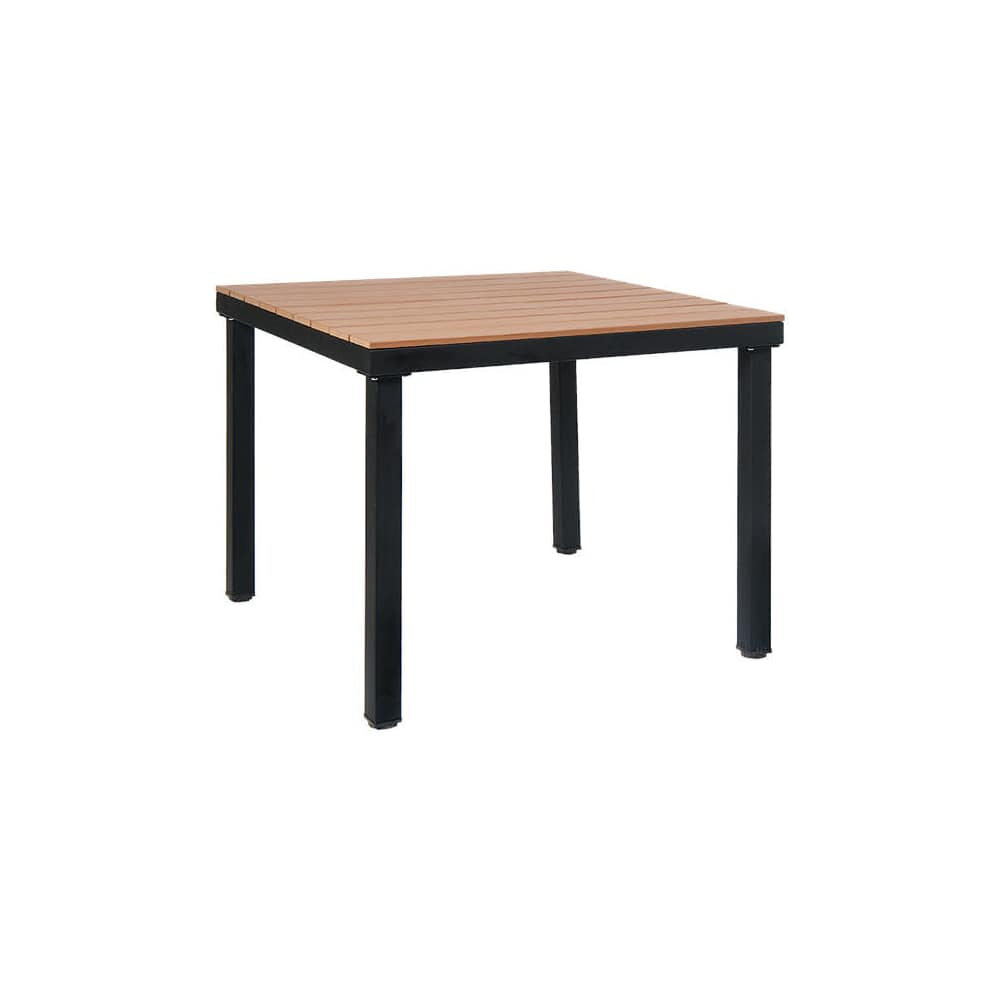
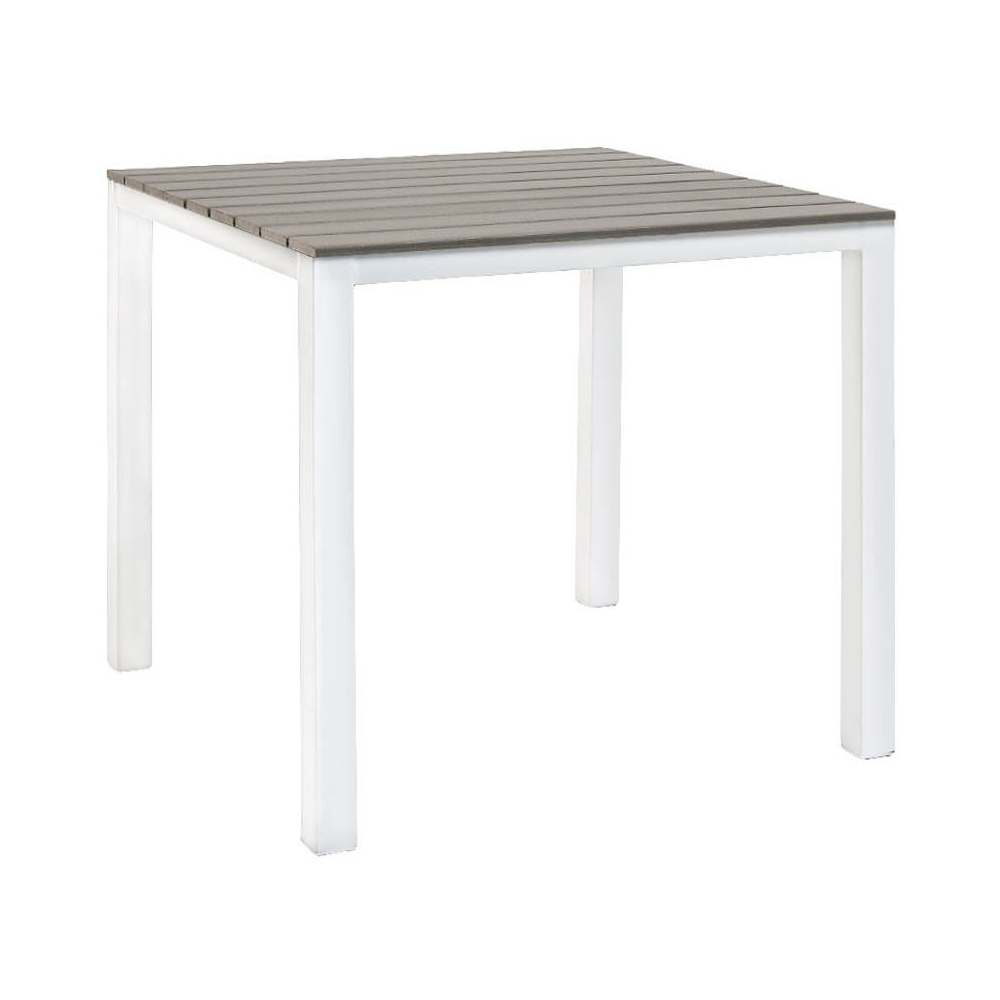
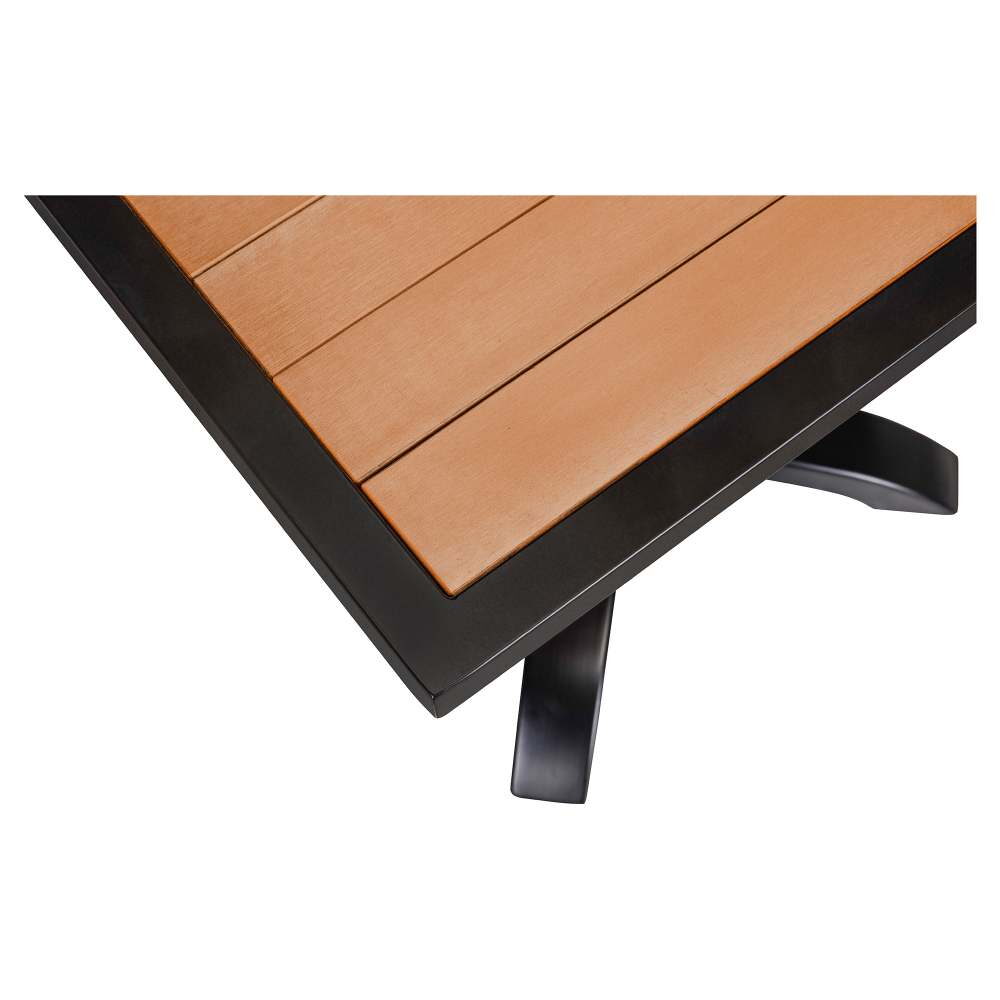
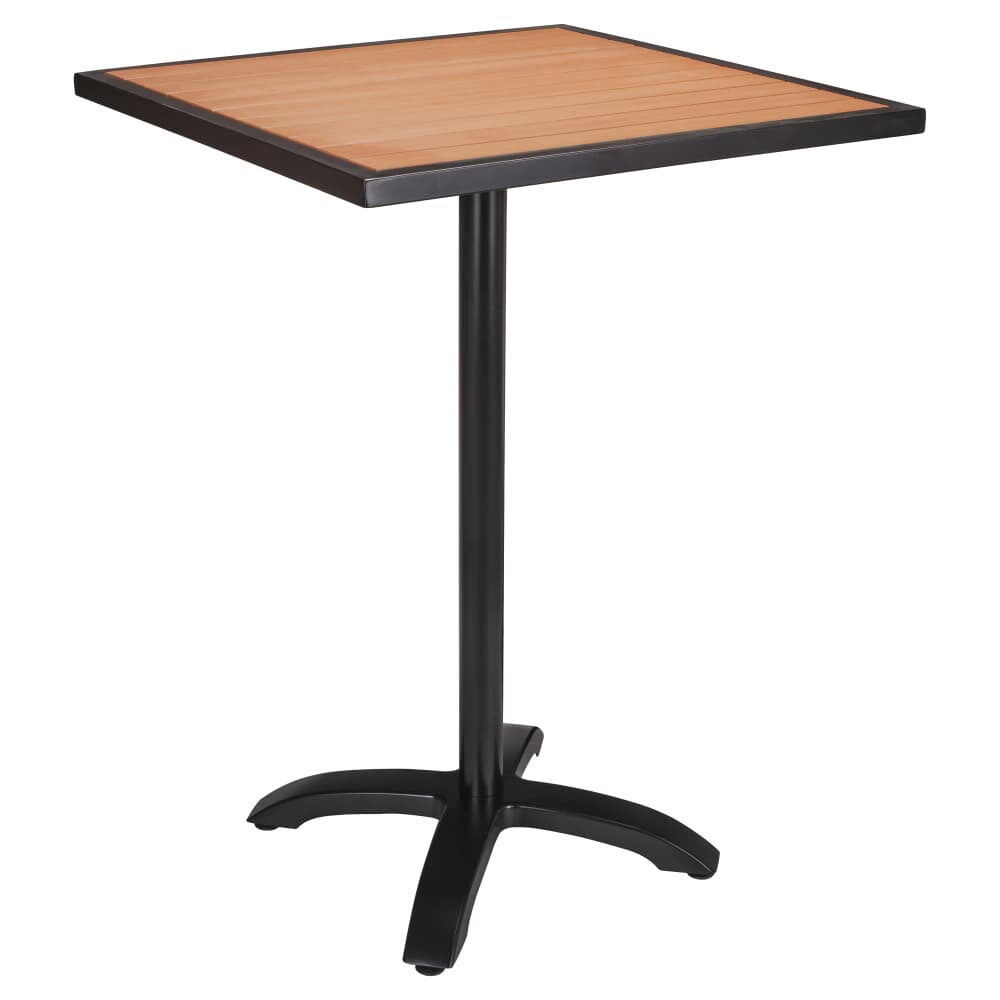
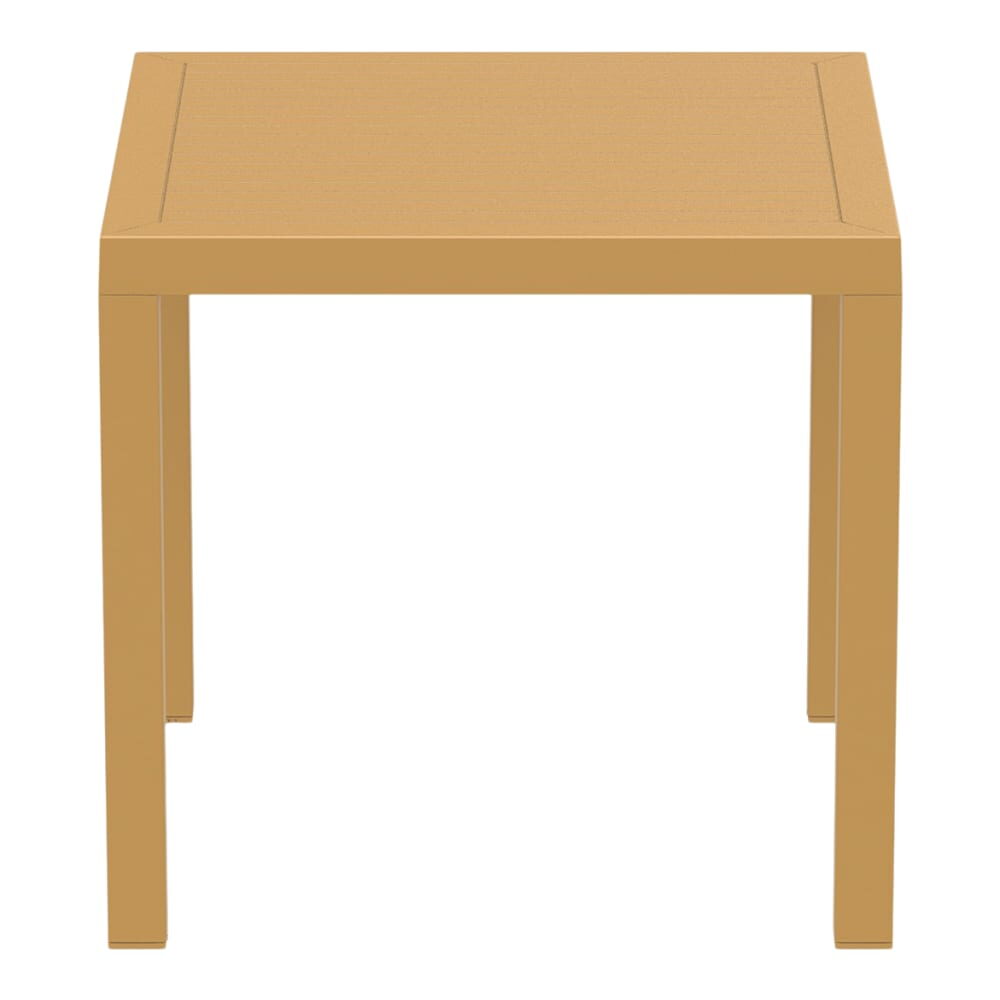
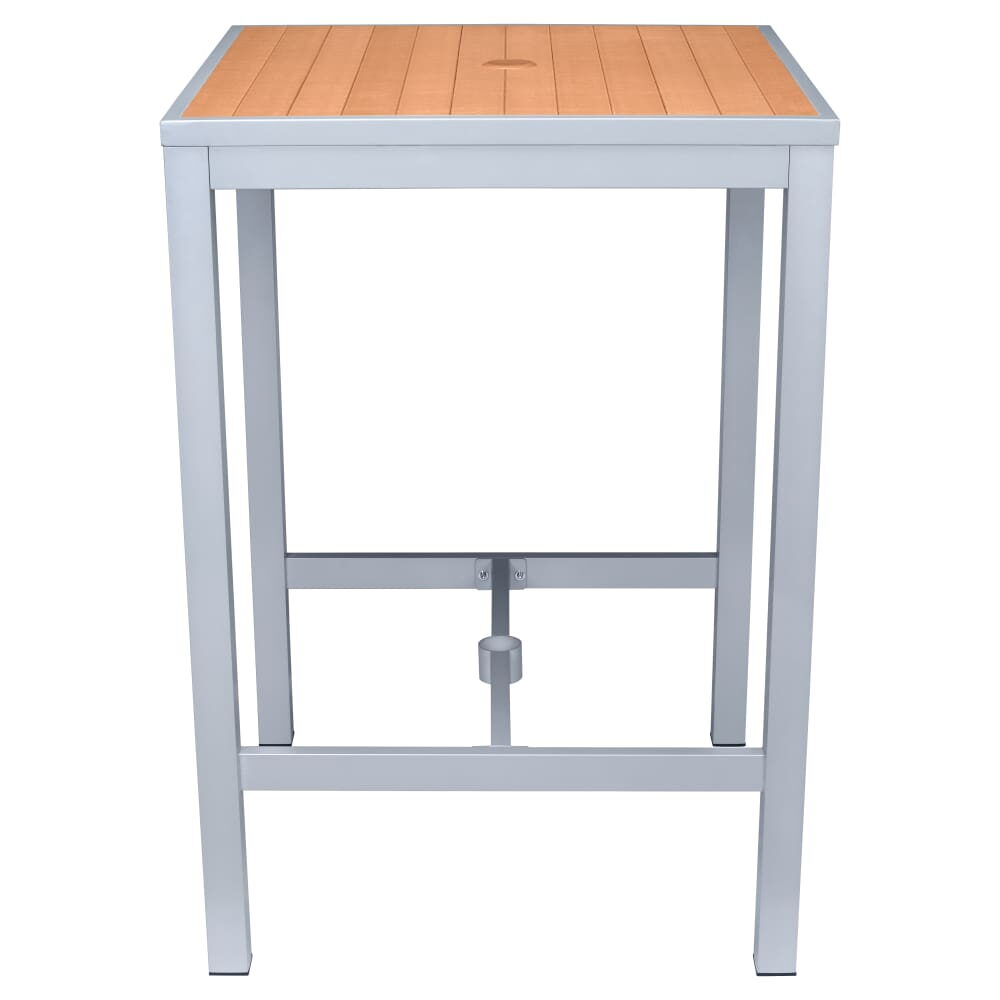
Natural Aluminum Patio Table, Faux-Teak
- Aluminum top
- Listed for patio use
Price $349.00Set it up
CompareRead the listing before it meets the weather.
Two-tops for the curb, four-tops for the courtyard, high-tops for the rail. 35 tables here, most sold with the base and most offered square. Settle the height first. Table height seats a dining row; bar height puts guests on stools with the street at eye level.
35 listed products · Prices in USD · Options on each product
A closer look at this selection
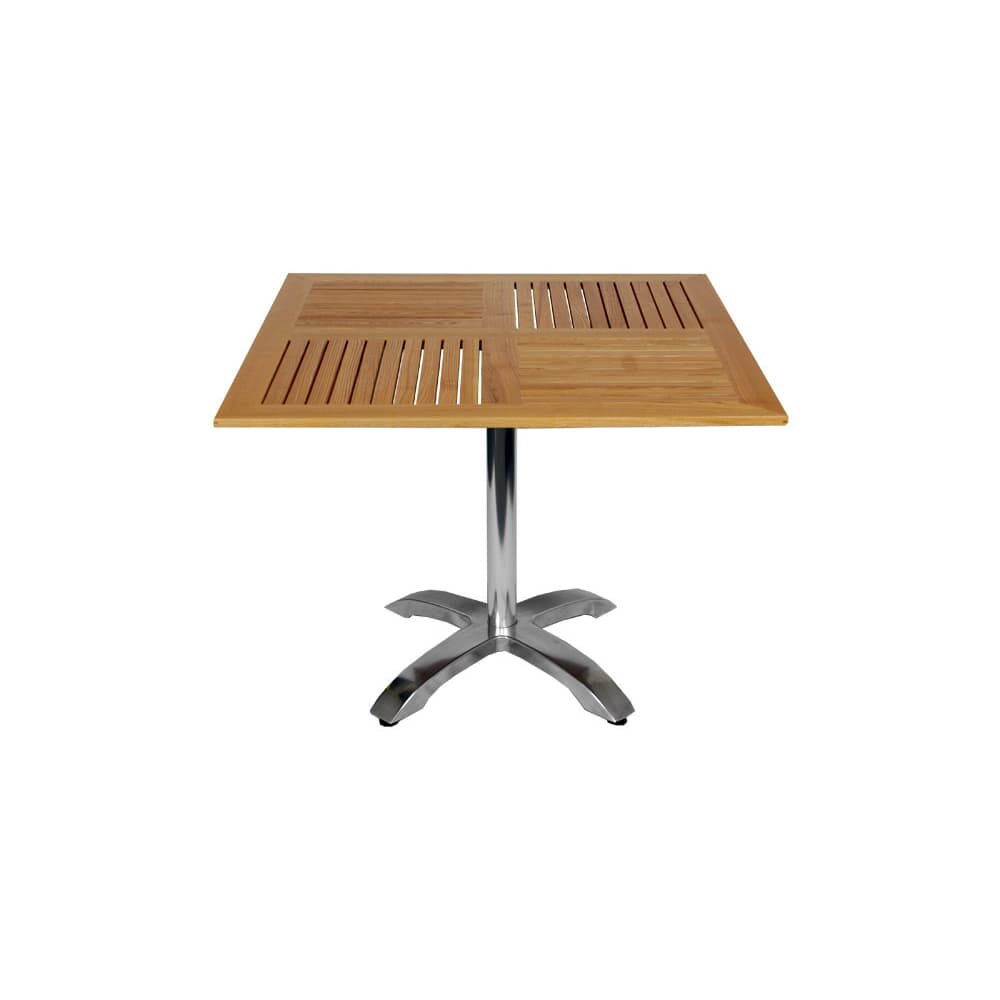
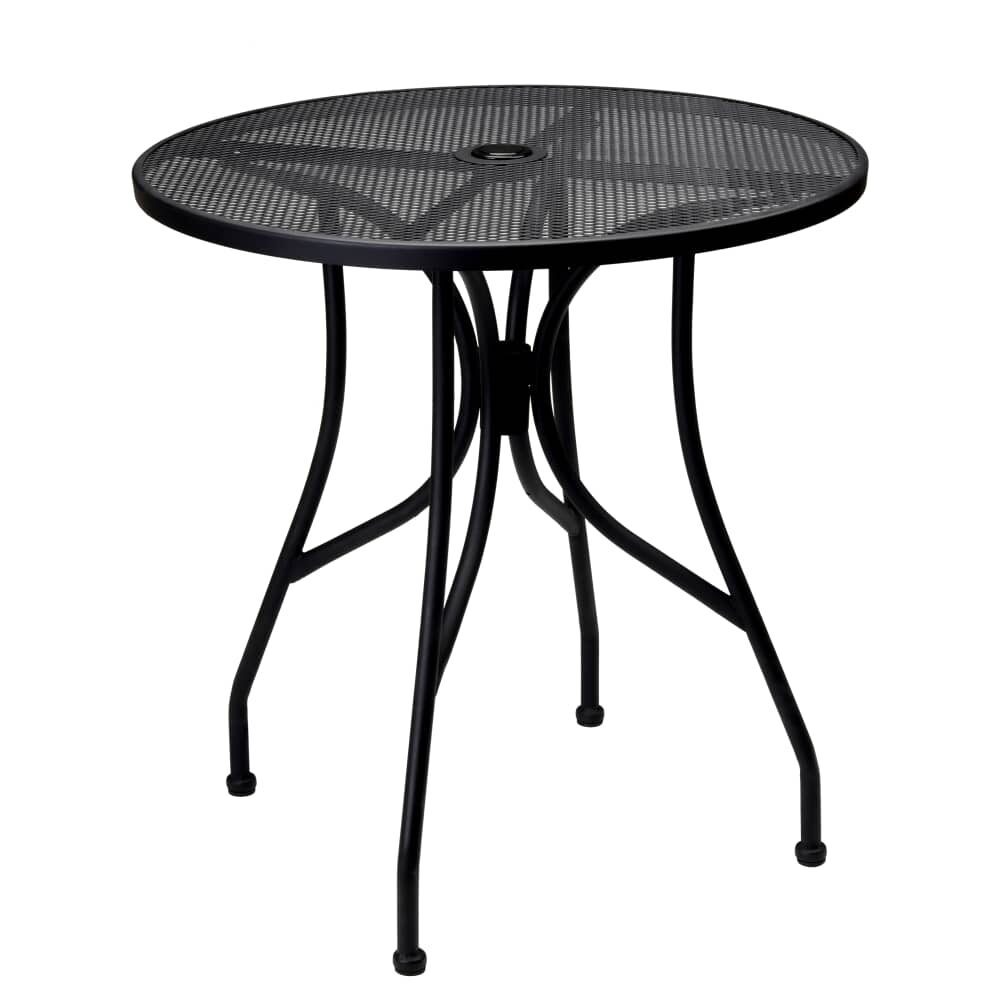
Actual product images. Open a piece to see its available options.
Outdoor
Outdoor
Outdoor
Outdoor
Outdoor
Outdoor
Outdoor
Outdoor
Outdoor
Outdoor
Outdoor
Outdoor
Outdoor
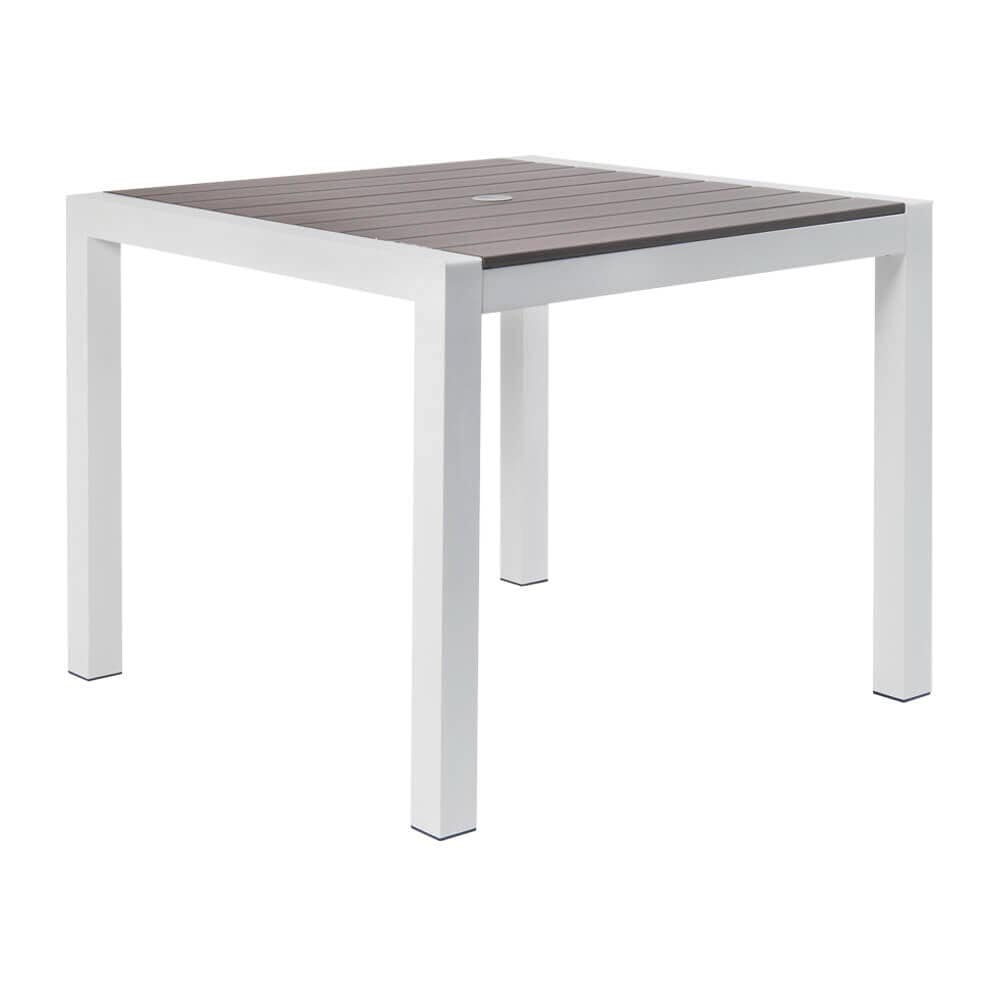
Outdoor
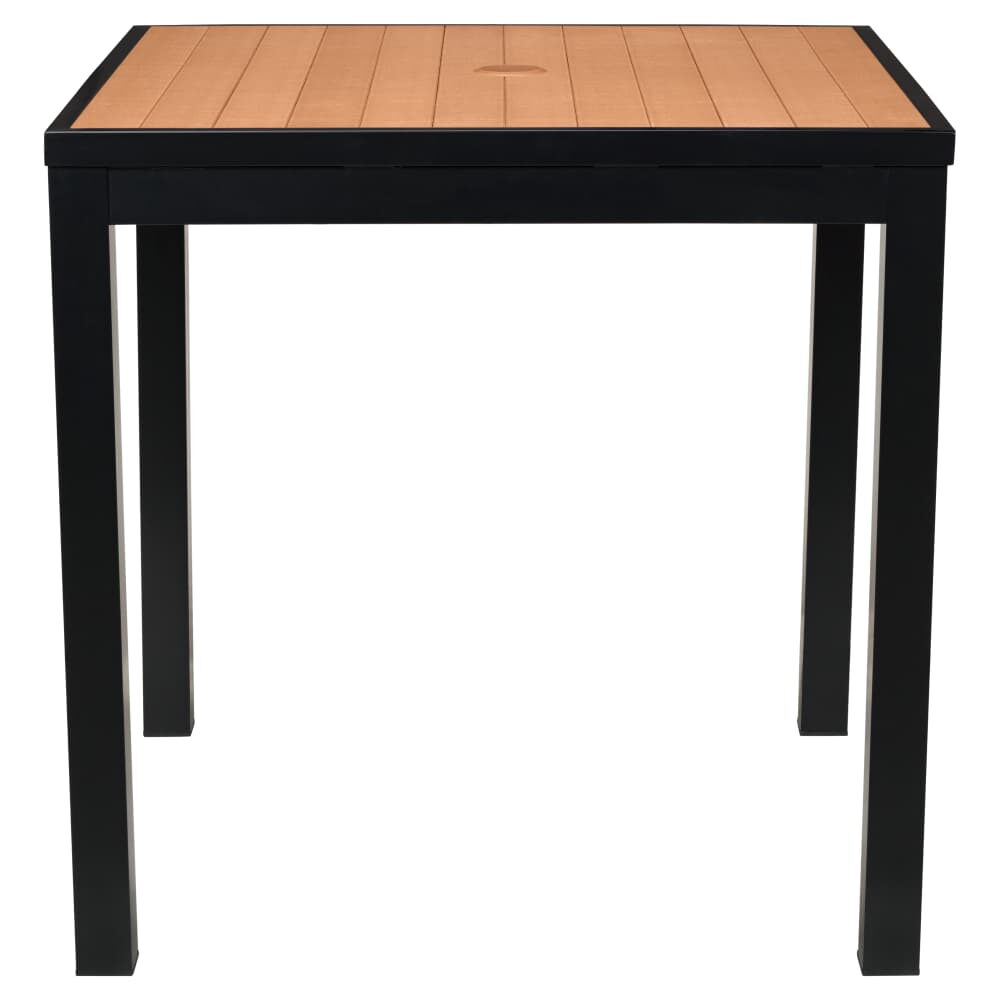
Outdoor
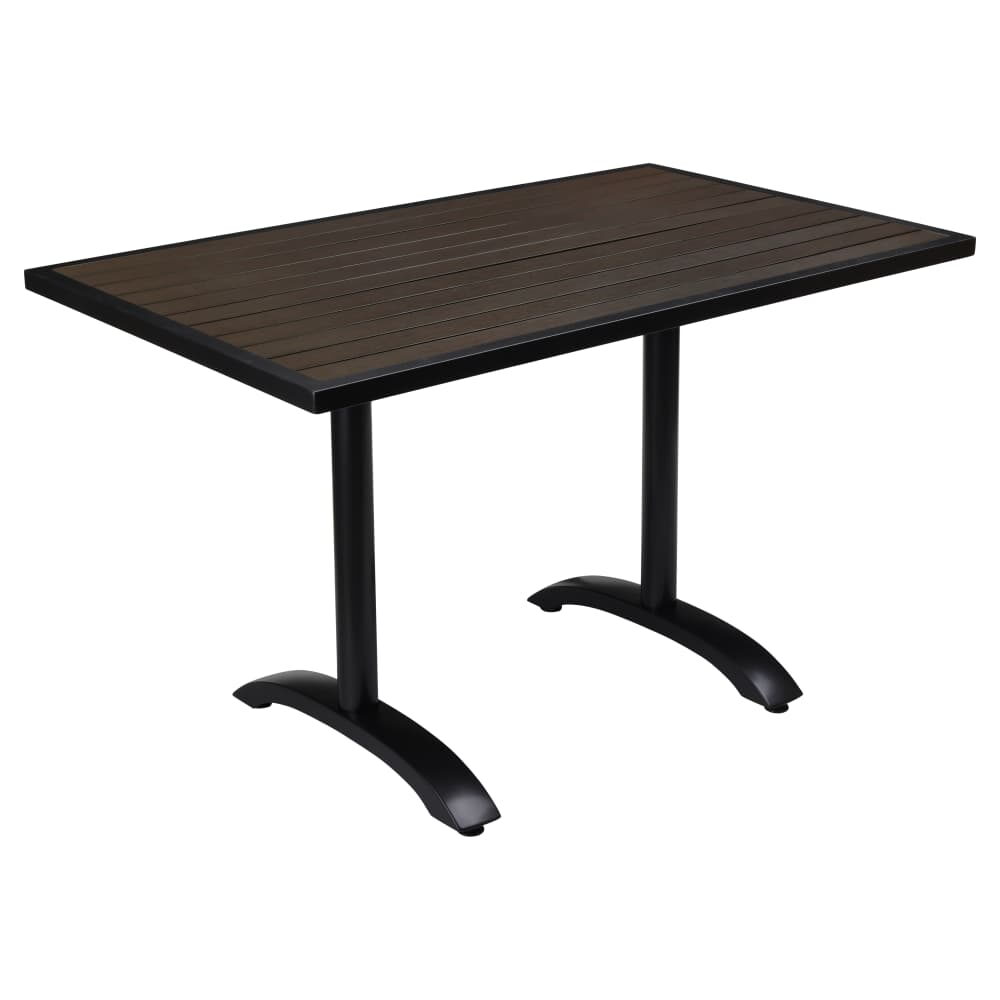
Outdoor
Outdoor
Outdoor
Outdoor
Outdoor
Outdoor
Outdoor
Outdoor
Outdoor
Outdoor
Outdoor
Outdoor
Outdoor
Patio tables
Read the frame line first, then the seat: aluminum, resin, synthetic teak and coated steel all live outside. A few models are marked for covered patios only, so put those under a roof or an awning. Slatted seats shed a shower faster than solid ones, and a stackable chair cuts the nightly breakdown in half.
Give each guest 24 inches of edge, then size patio tables to the curb: two people per 24-inch square, four per 36-inch square when space is tight.
Read the listed indoor or outdoor use and the material details for each product. A patio photograph or a similar-looking finish is not a substitute for the product description.
Plan where the furniture will go when it is moved or stored. Use the product care information for the actual material, and check stated stacking details before assuming chairs can be stacked.
Two-tops for the curb, four-tops for the courtyard, high-tops for the rail. 35 tables here, most sold with the base and most offered square. Settle the height first. Table height seats a dining row; bar height puts guests on stools with the street at eye level. Then choose the top that suits your weather and your breakdown.
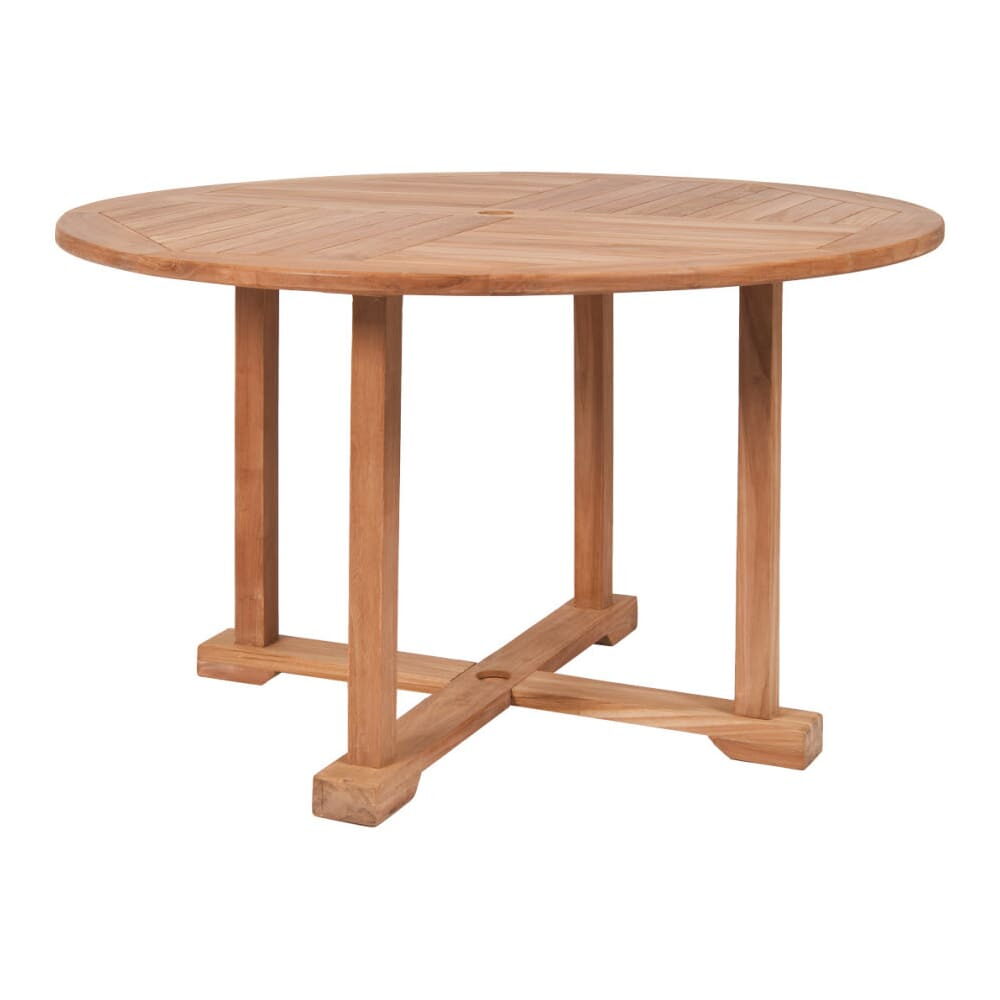
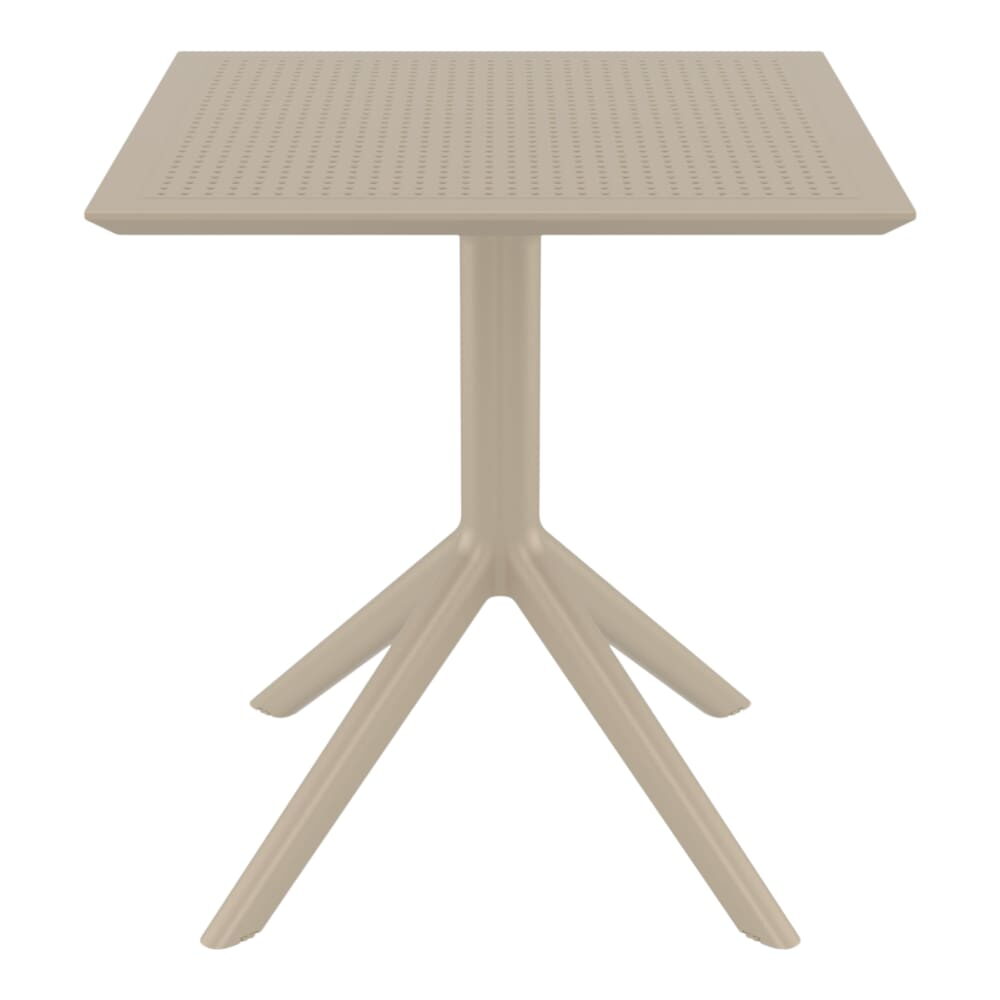
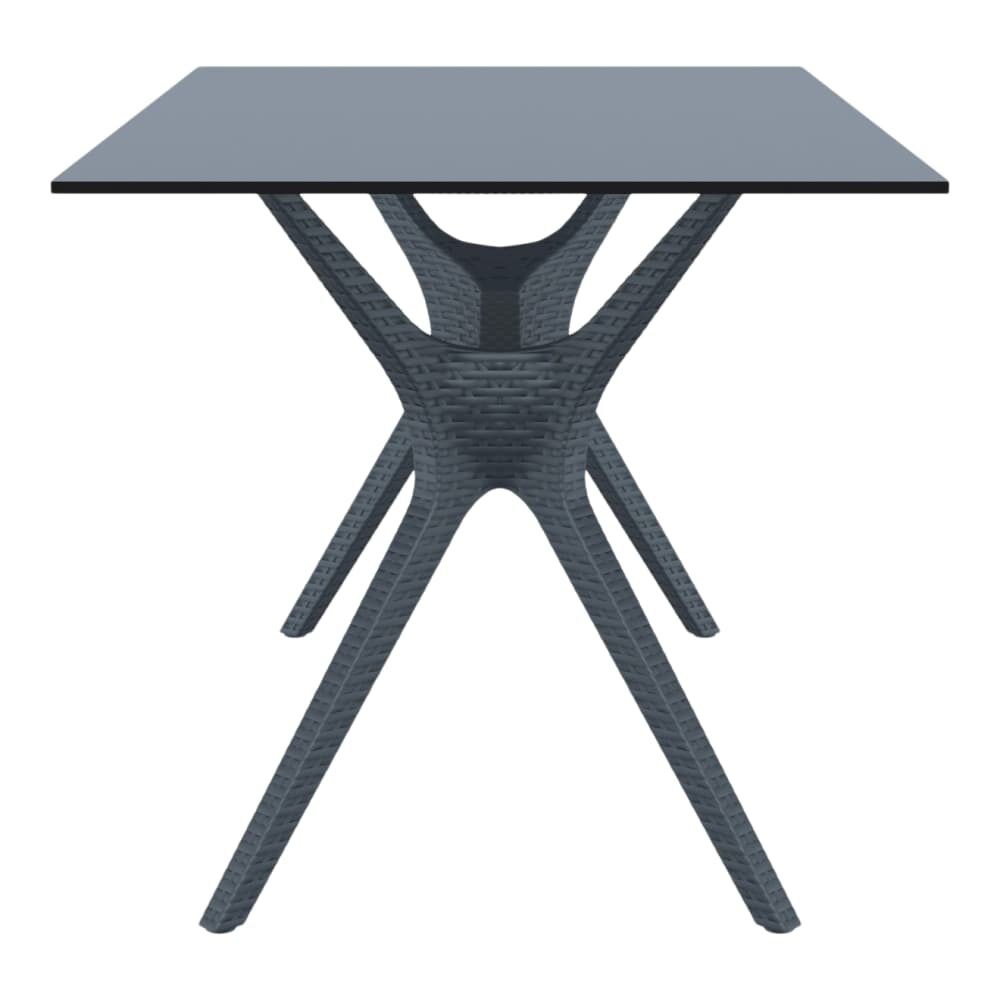
Squares do the hard work outside. Push two together and a two-top becomes a four-top in ten seconds, then pull them apart when the party leaves. Two guests fit a 24-inch square, 30 inches gives their plates room, and 36 inches seats four where the walkway is tight. Rectangles line up along a rail. Rounds soften a courtyard corner, and the round outdoor dining table guide sizes them against the walkway. For the smallest two-top on the curb, read up on the outdoor bistro table.
Sizes live on the listing. Many tops come in several sizes under one product, so pick the size there instead of hunting for a second page. Write it into the notes of your plan, too. In a photo you cannot tell a 30-inch top from a 36-inch one; on a narrow sidewalk the gap is plain, where you also need 18 to 24 inches behind every chair.
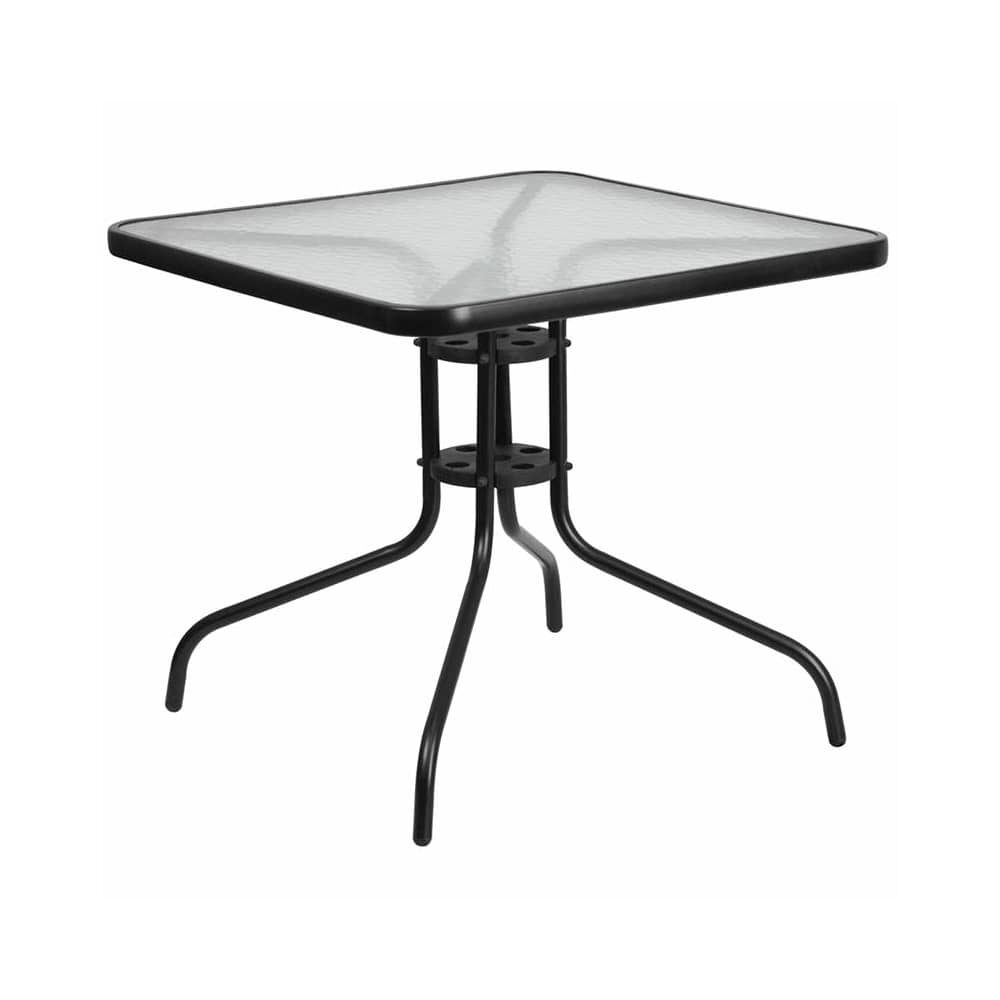
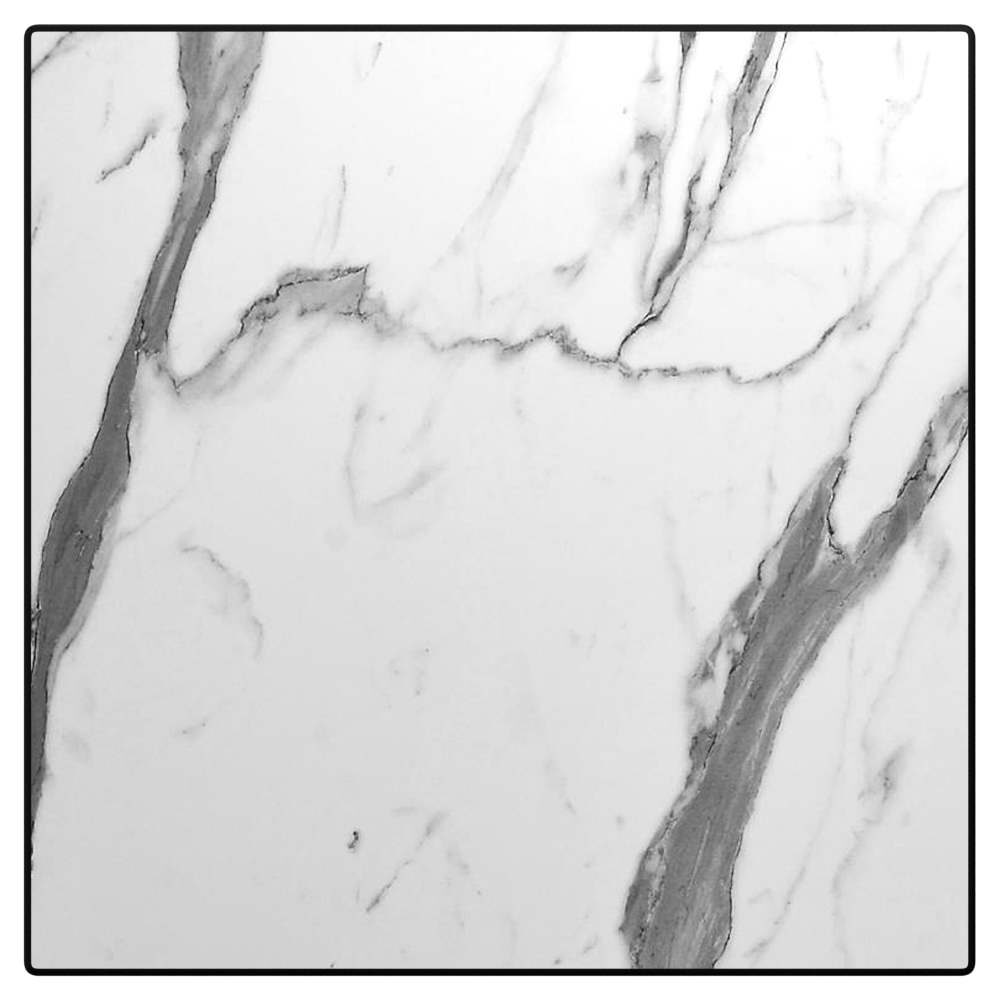
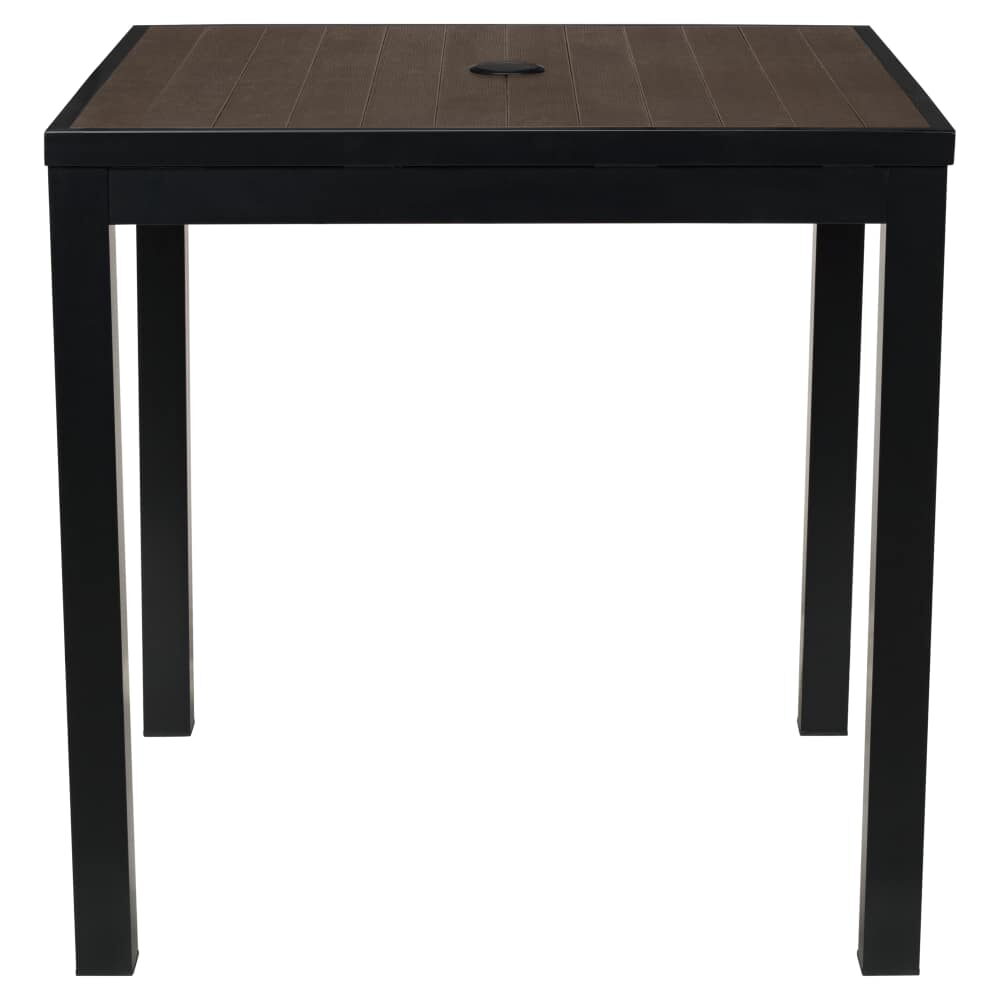
Synthetic teak slats on an aluminum frame make up the biggest group. From across the street they read like wood, and a rinse at closing keeps them ready for the morning setup. Aluminum tops, resin tops, steel, teak and one tempered glass top fill out the range. Table top material samples cost nothing, and they are the fastest way to see a faux teak slat in your own afternoon light.
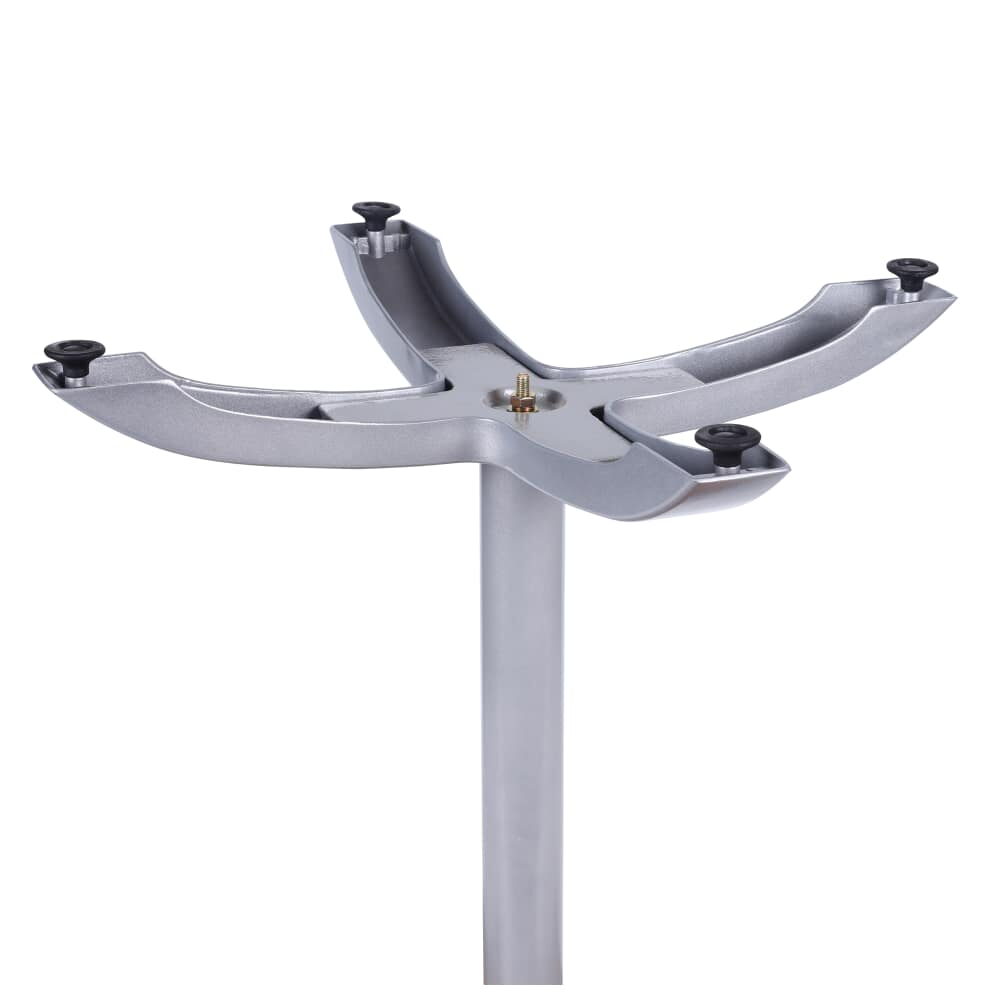
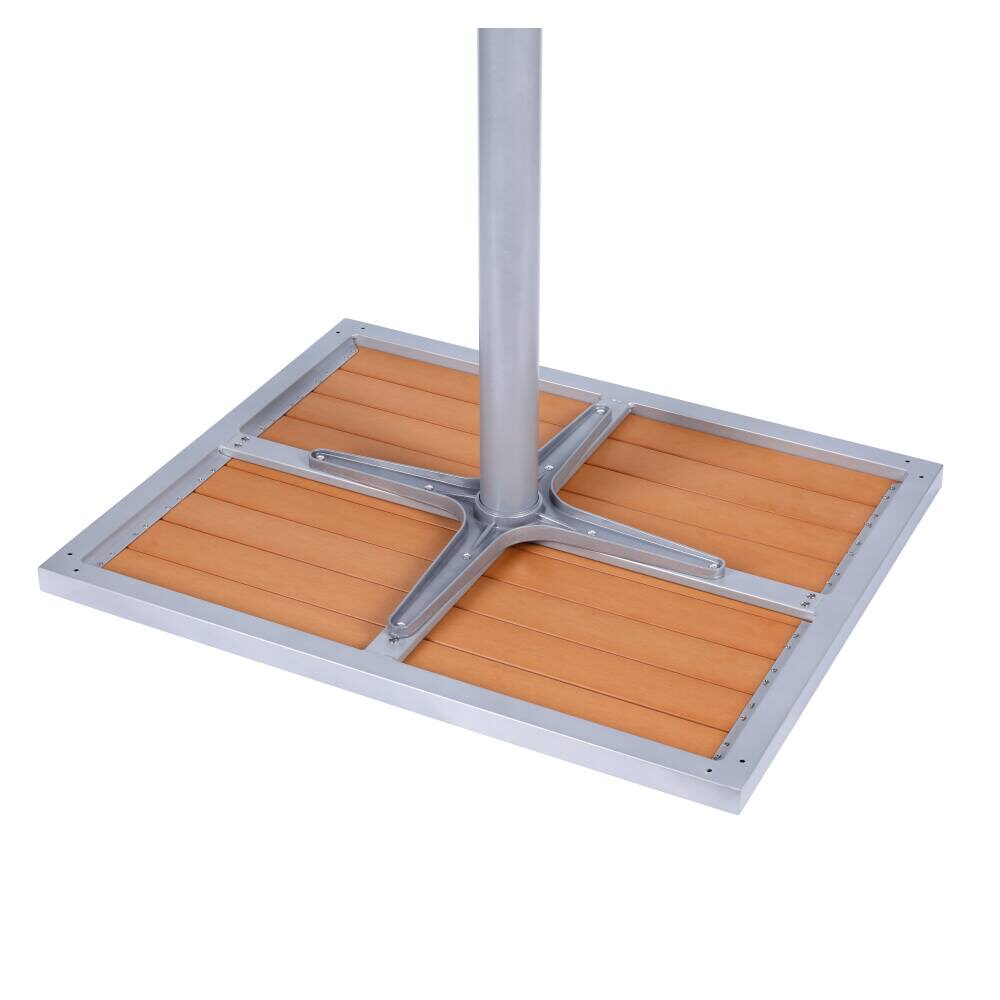
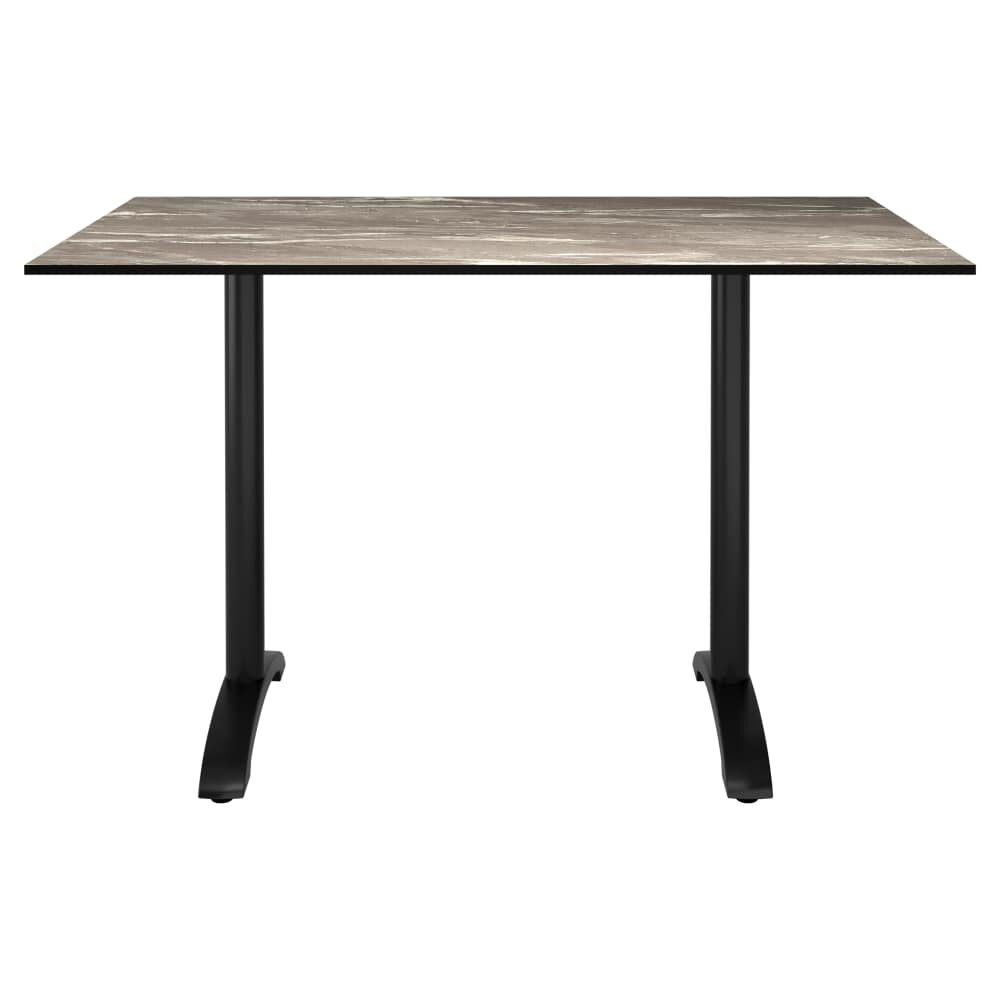
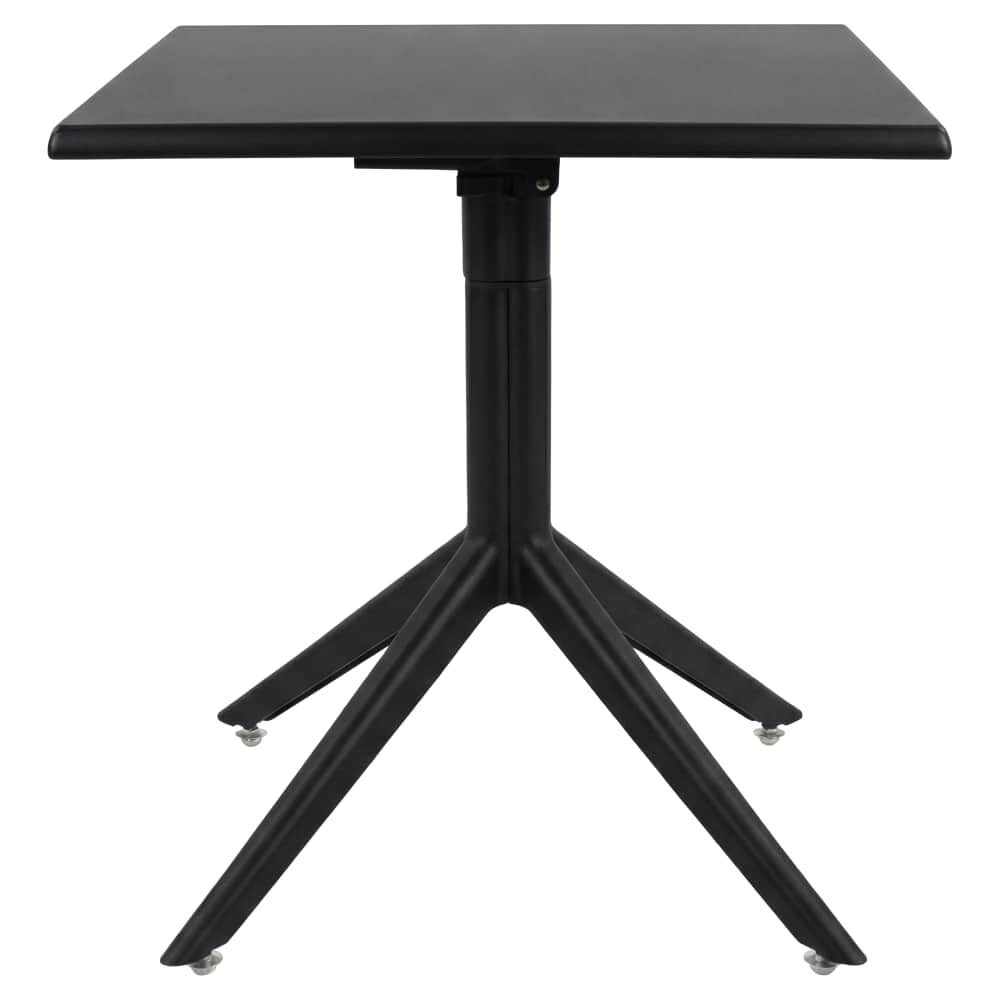
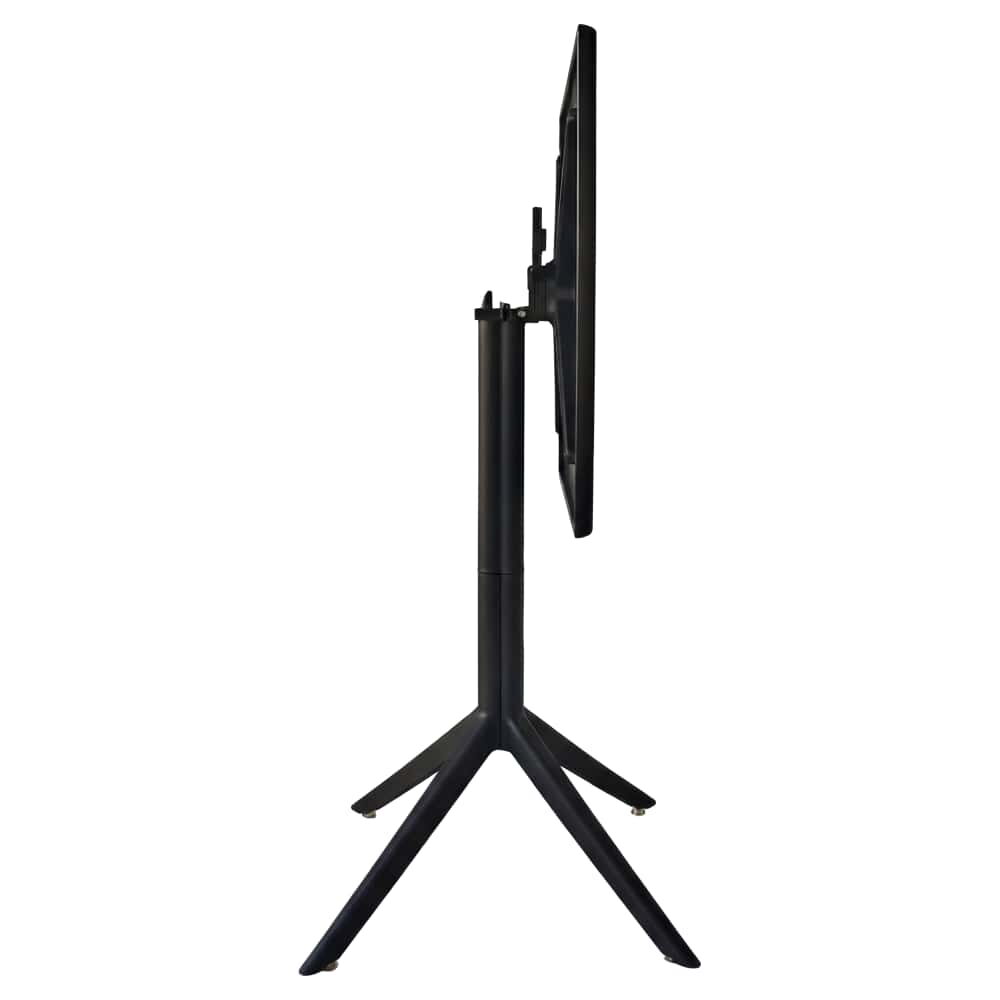
Bases follow the top: aluminum on most, with cast iron, resin and steel on others. A roof that catches wind earns the heavier base. A sidewalk that clears every night earns a table one person can carry, or a folding resin table that tucks against the wall at midnight.
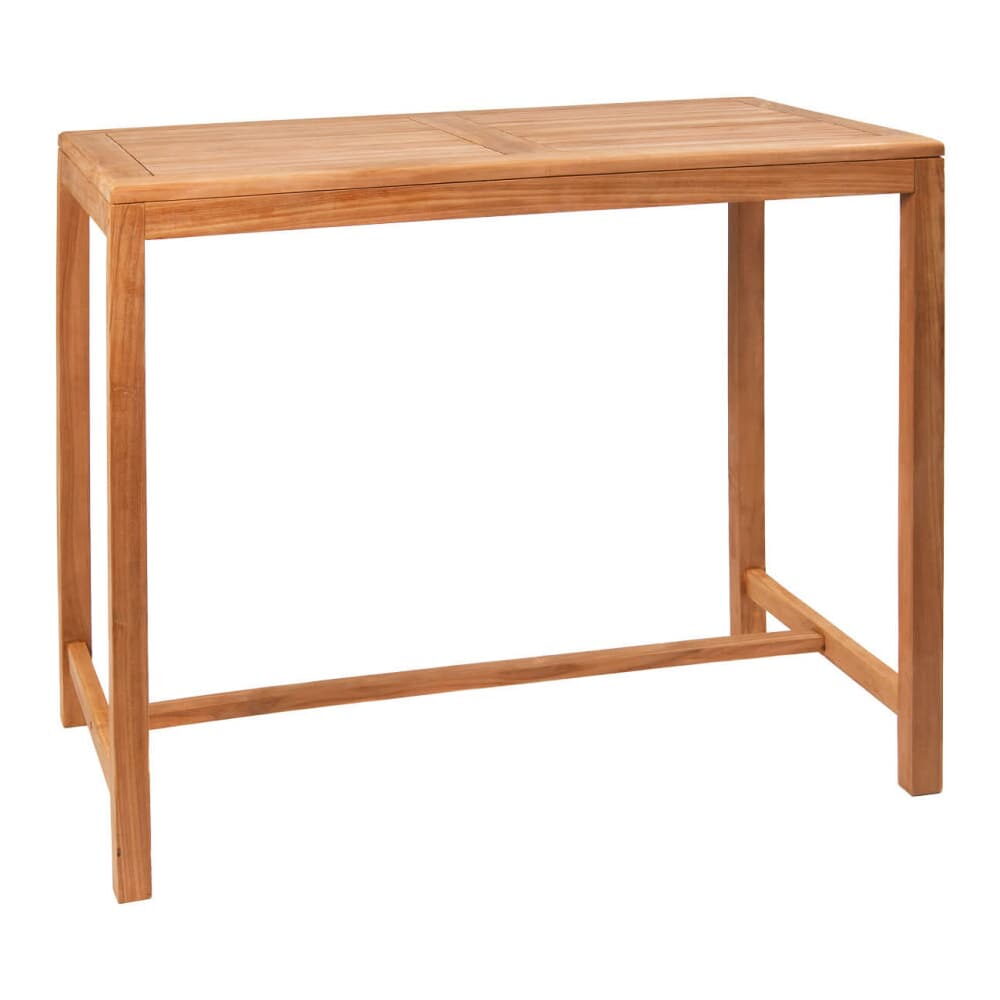
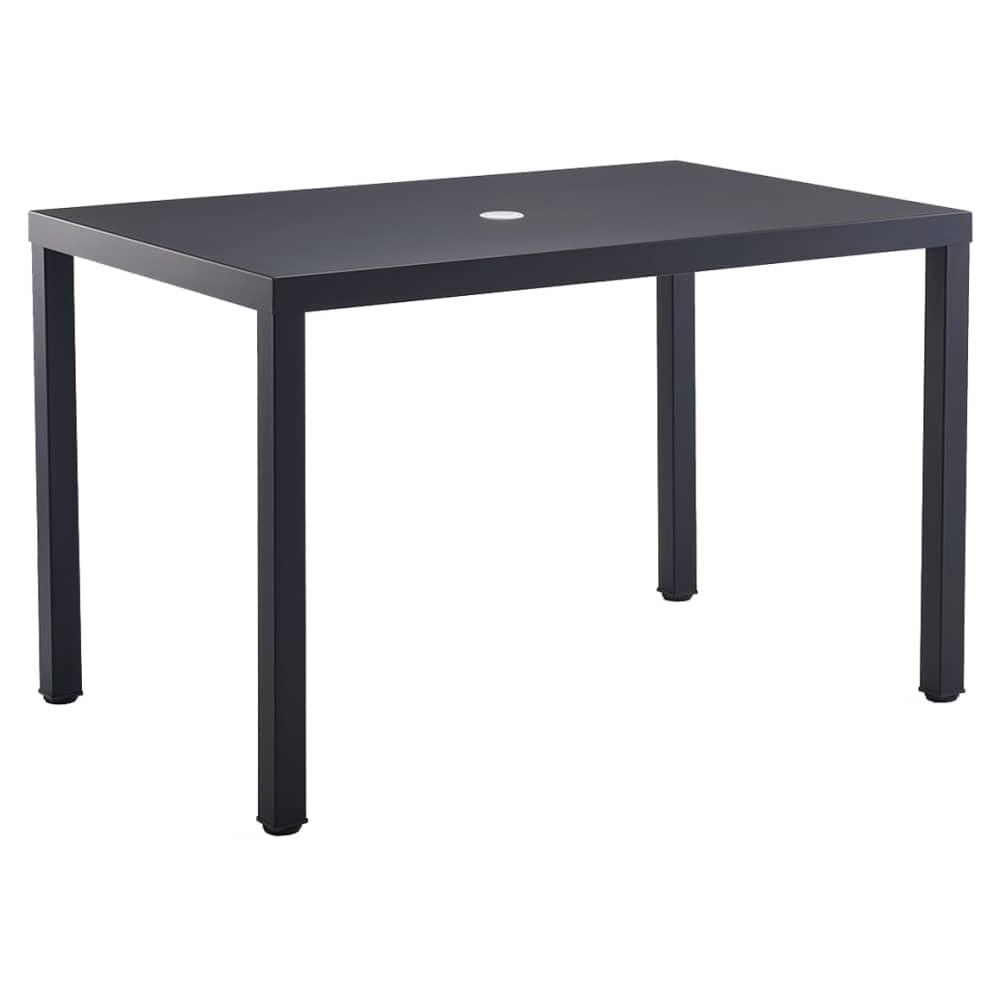
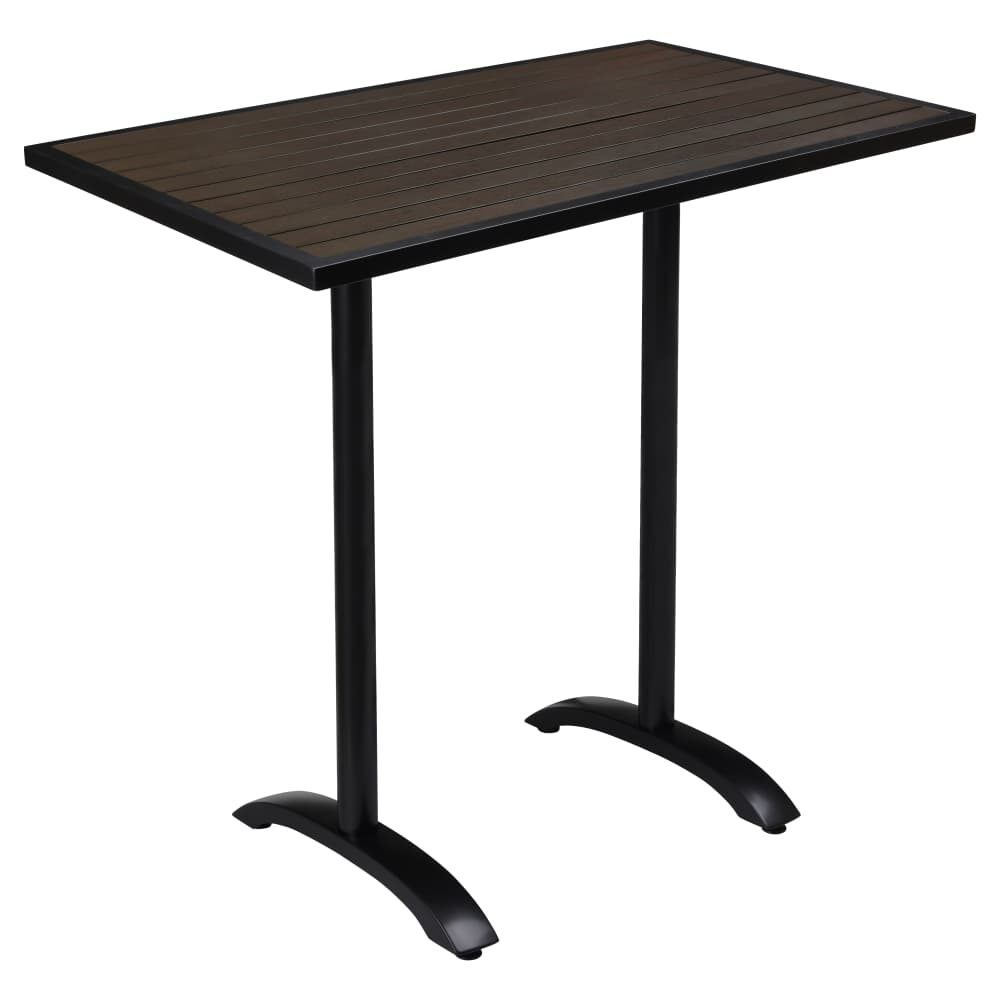
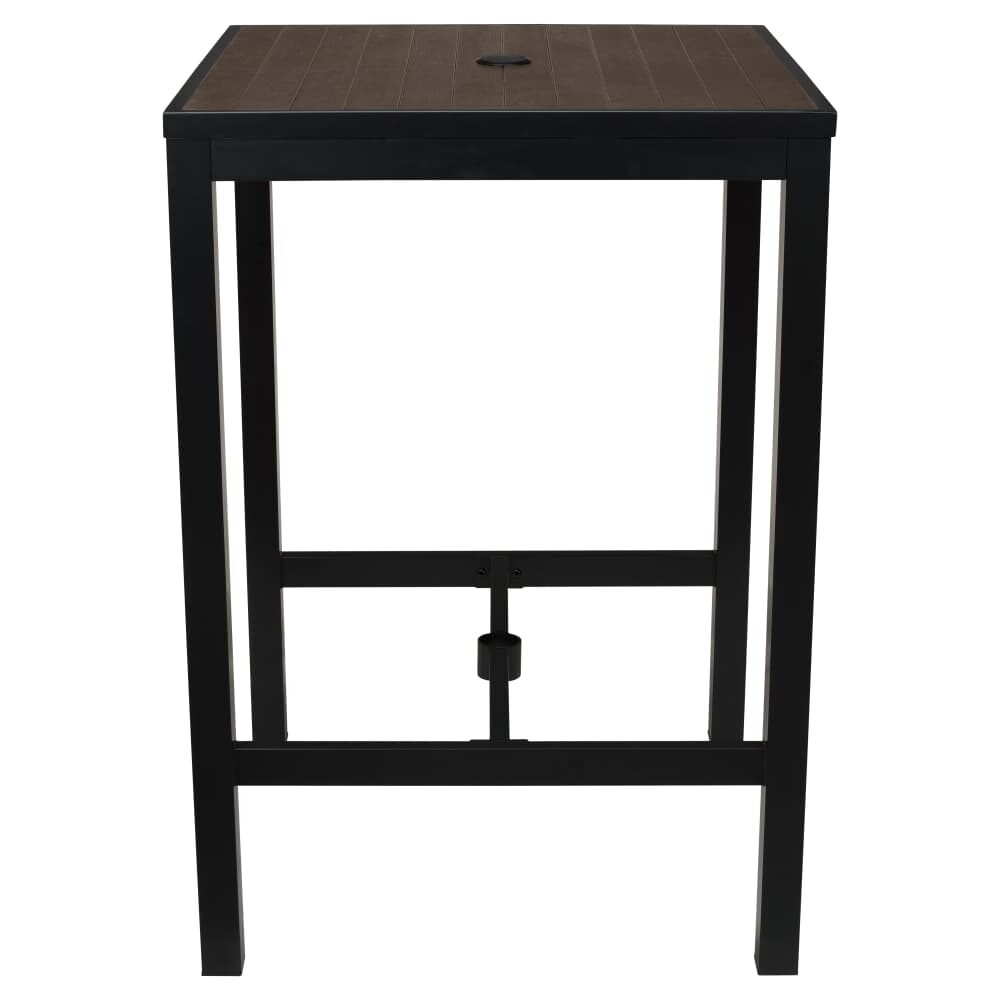
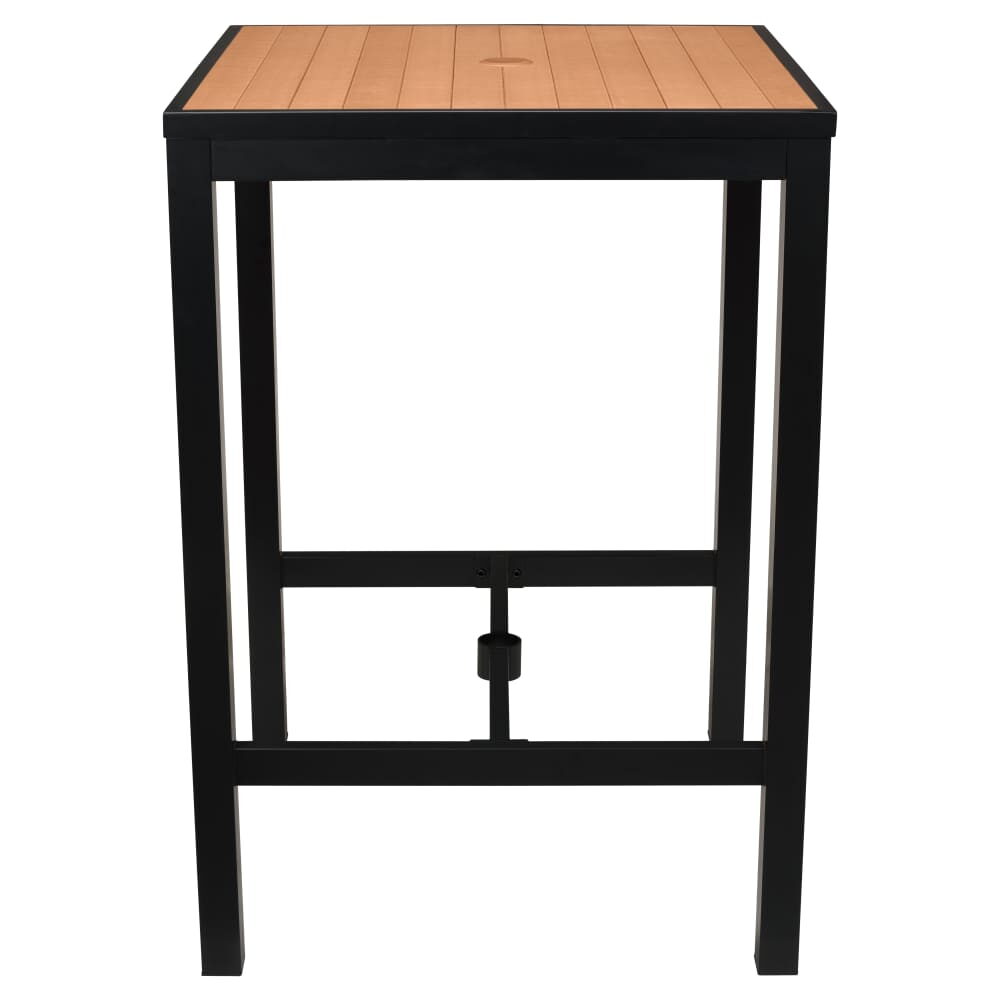
An dark walnut faux teak bar table on black aluminum stands 42 inches tall and has an umbrella hole, so it pairs with stools near 30 inches and a canopy overhead. Pick the shade before the row. By four o'clock the sun decides where guests want to sit. Single tables start around $77 and reach about $397, base included on most lines. Lay the space out table by table in an outdoor plan.
Related reading